Patient’s Problem
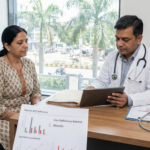
A 47-year-old woman, Mrs. Anjali (name changed to protect identity), an office-based accountant, came with a five-month history of constant fatigue and muscle aches. She especially struggled when climbing stairs or getting up from a chair. She spends most of her day indoors, avoids sunlight, and has a low-dairy diet.
She had no history of trauma, swelling, tingling, or recent infections. Because her symptoms kept getting worse, she was advised to consult an experienced MD physician in Vadodara for proper evaluation.
Diagnosis
After reviewing her symptoms, physical exam, and lab reports, the doctor diagnosed vitamin D deficiency with early features of osteomalacia.
Findings included:
Physical Exam: Mild tenderness in the thigh and back muscles with noticeable proximal muscle weakness. She needed arm support to rise from a chair.
Lab Tests:
- Vitamin D level was very low (11 ng/mL).
- Calcium was borderline low.
- PTH was mildly elevated, indicating secondary hyperparathyroidism.
- Alkaline phosphatase was mildly raised, suggesting increased bone turnover.
Other tests, including CBC, liver, and kidney function, were normal.
These findings confirmed that her symptoms were linked to long-term vitamin D deficiency due to limited sunlight exposure and low dietary intake. A lady physician in Vadodara at Shivaay Hospicare explained that an untreated deficiency can gradually lead to osteomalacia in adults.
Treatment
Mrs. Anjali was started on a structured treatment plan.
Vitamin D Supplementation:
A personalized vitamin D replacement regimen was initiated by the treating doctor.
Calcium Support:
She was advised to improve daily calcium intake through diet and supplements if needed.
Sunlight Exposure:
Safe sunlight exposure for 10–20 minutes on multiple days of the week to naturally boost vitamin D production.
Dietary Changes:
She was encouraged to add vitamin D-rich foods such as fortified milk, cereals, egg yolk, and fatty fish.
Exercise:
A gradual routine of walking and light weight-bearing exercises to improve bone strength and reduce fatigue.
Monitoring:
Plans were made to recheck her vitamin D, calcium, and PTH levels after a few weeks and track improvements in her muscle strength.
Result
After 8–12 weeks, her vitamin D levels returned to the normal range, PTH normalized, and her muscle aches reduced significantly. She reported better energy levels and could climb stairs comfortably again.
With continued sunlight exposure, diet changes, and medical follow-up, her long-term prognosis is excellent.
Note: This case study is for illustrative purposes only and should not replace professional medical advice. If you have concerns about your health, please consult with a qualified healthcare provider.




 Designed by Rang Digitech LLC.