History and challenges As monsoon and post-monsoon months approach, Gujarat, Vadodara, and the surrounding region are particularly susceptible to mosquito-borne diseases such as dengue and malaria. Rain and standing water create ideal breeding conditions for mosquitoes. With the right information and proper precautions, timely
dengue Treatment in Vadodara, you and your family can stay safe. Here’s an all you need to know guide on how you can keep yourself safe this Dengue & Malaria season.
Understanding the Threat
What are Dengue & Malaria?
- Dengue is the result of infection by one of four dengue viruses (DEN-1, DEN-2, DEN-3, or DEN-4). Symptoms can range from mild to severe when first infected (primary infection), to more serious in the case of secondary infections (antibody enhancement). (This is “kinds of dengue” that people ask about.)
- Malaria is due to Plasmodium parasites (usually P. falciparum, P. vivax) transmitted by Anopheles mosquitoes. Malaria, unlike dengue, a disease in which mosquitoes transmit viruses to people, malaria parasites reproduce within red blood cells and can lead to cyclical chills, fever, and sweating.
How they spread
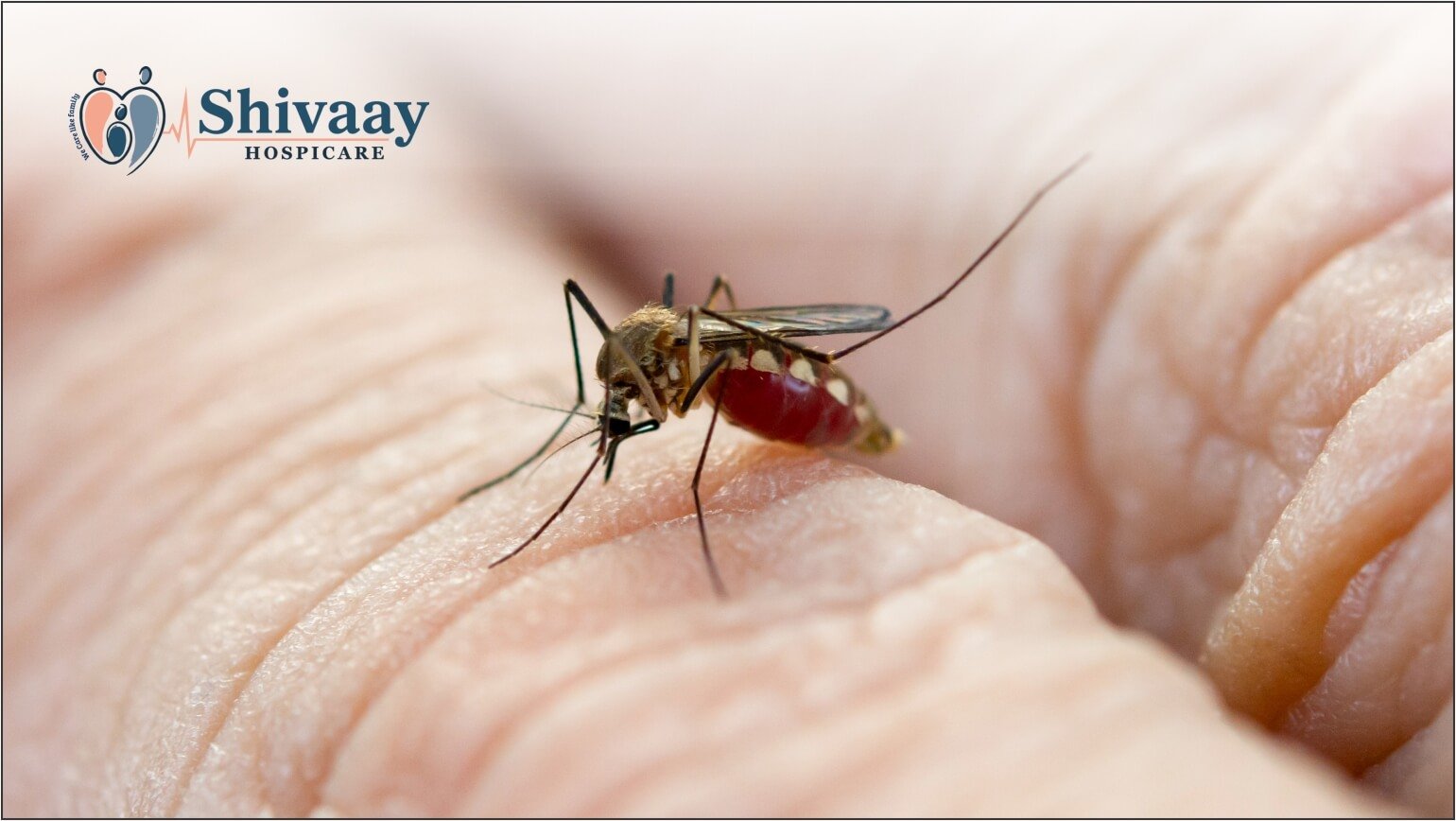
- Dengueis spread by Aedes aegypti / Aedes albopictus mosquitoes, both of which are common in small clean water collections in and around homes. They are early morning & evening biters.
- Malaria mosquitoes are most active from dusk to dawn and prefer to bite outdoors. They can breed in any stagnant or slow-moving water, puddles, rice fields, ditches, etc.
Symptoms to watch for Dengue and Malaria
| Symptom |
Dengue |
Malaria |
| Sudden high fever |
Yes |
Yes |
| Severe headache |
Yes |
Yes |
| Pain behind the eyes |
Yes |
Less common |
| Muscle & joint pains |
Yes |
Possible |
| Chills & rigors |
Less typical |
Yes |
| Sweating following chills |
Rare |
Yes |
| Nausea/vomiting, rash |
Dengue more characteristic |
Possible |
| Fatigue, weakness, anemia |
Possible |
More as the disease progresses |
Knowing the differences helps in seeking appropriate care.
Diagnosis & Testing
1. Dengue blood test
To diagnose dengue fever, doctors can order:
- NS1 antigen testing (which identifies early infection)
- IgM/IgG antibody tests (later stage)
- Blood count to assess platelet count and hematocrit for evidence of plasma loss.
These dengue blood tests in Vadodara are present at most of the hospitals. Early testing is useful for early treatment and complication avoidance.
2. Malaria tests
- Rapid diagnostic tests (RDTs)
- Thick and thin film microscopy for smear-positive cases.
- Blood counts to check for anemia or other problems.
Prevention: Your First Line of Defence
Prevention is always better than a cure. Some effective steps:
Environmental & Household Measures
Flower pots, tyres, or clogged drains filled with stagnant water can soon turn into a mosquito breeding ground. Keeping these pots clean helps to reduce the risk of dengue and malaria. Clean and cover with a net the water tanks to prevent breeding of larvae. Appropriate refuse disposal also discourages mosquito breeding. By doing so, this can help reduce the number of cases that later require dengue treatment in Vadodara.
Physical Barriers
Sleeping under treated mosquito nets is an effective
method of malaria prevention at night. You can also try adding mesh screens to windows and doors so you keep mosquitoes out, but let the air in. Dressing in long-sleeved clothing at dusk and dawn also helps minimize bites. These walls are the defense against the respiratory viruses that protect families from frequent treatment for cold and fever in Vadodara.
Repellents and Chemical Measures
Applying mosquito repellents containing DEET or other approved chemicals provides protection for any exposed skin while outdoors. At home, vaporizers and mosquito coils help create environmental barriers of protection. In high-risk areas, adulticiding or fogging is used to reduce mosquito density, thereby reducing infection rates. And of course, acting preventively alleviates serious illness or the need for a dengue blood test or hospital stay.
Community and Public Health Strategies
Authorities must implement larval control and ensure fogging is completed in high-risk neighborhoods. Community-based public awareness campaigns encourage households to take precautionary measures. Regular mapping of households and application of vector control programs will protect communities from outbreaks of malaria and various types of dengue. Increased collective action will significantly reduce the maximum demand for dengue treatment in Vadodara.
Taken together, these efforts reduce mosquito breeding and transmission.
Treatment: What to Do If You Get Sick
Dengue treatment in Vadodara
Dengue has no specific antiviral treatment, and supportive care is the mainstay of treatment:
- Hydration (oral hydration or intravenous fluids if indicated).
- Control fever, assess, and monitor. Treat with paracetamol or acetaminophen (avoiding NSAIDs such as ibuprofen unless specified by your provider).
- Check frequently for platelet count and clinical signs of plasma leakage.
- Hospitalization or escalation of care upon warning signs.
Malaria treatment in Vadodara
- Once malaria is confirmed, proper anti-malarial medications (per species) will be prescribed.
- Supportive care for fever, hospitalization in
severe cases.
- Completion of medications to avoid recurrence or resistance for malaria.
Cold, Fever & Overlapping Symptoms
Symptoms for cold and fever often overlap with early dengue or malaria presentation; chills, body ache, sore throat, etc. In Vadodara, if a cold or fever is present, many local clinics & hospitals can provide symptomatic treatment (rest, hydration,and fever details can be discussed at the hospital). Most importantly, do not self-medicate with strong drugs without your doctor’s advice.
If fever continues at or above 101-102 °F for 2-3 days, and/or has rash or bleeding, please see a hospital.
When to Get Medical Attention: Red Flags
You need to seek immediate medical attention if you experience any of the following:
- Persistent high fever (5-7 days) without improvement
- Bleeding (from gums, nose, under the skin – petechiae)
- Severe abdominal pain or vomiting
- Difficulty breathing
- Drastically low platelet count
- Sudden drop in blood pressure, fainting
Vadodara has plenty of diagnostic labs where you can do a dengue blood test and hospitals specializing in and experienced in treating dengue in Vadodara, malaria treatment, and cold & fever treatment services. It is best to consider using a hospital that has reliable lab-testing diagnostics, some supportive care, and the best staff.
Conclusion
Dengue and malaria arrangements present a legitimate risk. However, these risk factors can be adequately avoided or treated with knowledge, preventive measures, and prompt medical treatment. Preventing mosquito-breeding sites in and around your home is the first key. The second line of defense is to use barriers and repellents to keep mosquitoes from biting you. The third aim is to be aware of symptomatic presentation. If you observe symptoms of fever or upper respiratory illness, you should not ignore them, as the presentation is often deceiving.
Risk assessment performed by having a dengue blood test or malaria test quickly ensures a prompt diagnosis and treatment if needed. It is key to proceed to the hospital when warning signs are discovered on the pre-test that are present when you present for medical care. By limiting mosquito bites through workplace vigilance, household awareness, and preventative measures, and healthcare system dependence for dengue and malaria treatment in Vadodara, we can fight the burden of these illnesses together as a society.