
Fungal Skin Infections: Symptoms, Fast Treatment, and Prevention Tips
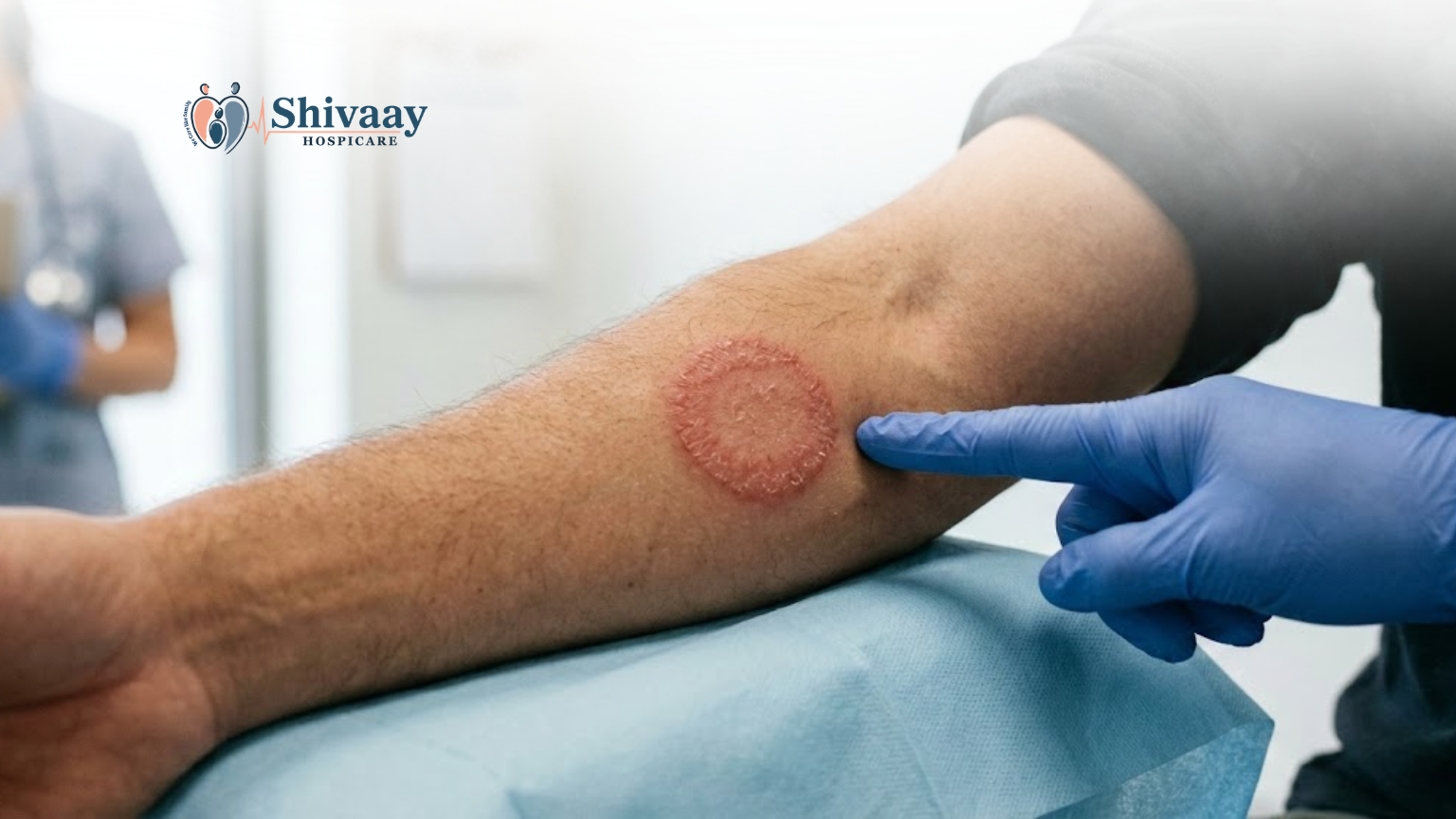
Fungal skin infections are common, especially in warm and humid weather. They spread easily through skin contact, shared items, or sweaty clothing. While they are usually not serious, ignoring early signs can make them persistent and uncomfortable.
Here is what you should know to recognize, treat, and prevent them effectively.
What is a fungal skin infection?
A fungal infection happens when fungi grow on the skin surface. Common types include ringworm, athlete’s foot, and jock itch. These infections thrive in moist areas like the groin, underarms, feet, and skin folds.
Understanding early signs helps you start fungal infection treatment on time and avoid spreading it.
Common symptoms you should not ignore
Fungal infections often start as mild irritation but can worsen quickly. Look out for:
- Red, itchy patches on the skin
- A ring-shaped rash, which is a key sign of ringworm symptoms
- Peeling, cracking, or scaling skin
- Burning sensation or discomfort
- Darkened or discoloured patches over time
If you are dealing with persistent itchy red rash causes, it is important to rule out fungal infection rather than assuming it is just an allergy.
Fast and effective fungal infection treatment
Most mild infections respond well to early care. The right fungal infection treatment usually includes the following:
- The topical antifungal cream is used for 2 to 4 weeks
- Keeping the affected area clean and completely dry
- Wearing loose cotton clothing to reduce sweating
- Avoiding scratching to prevent the spread
For conditions like jock itch treatment, maintaining hygiene and dryness is just as important as medication. In more severe or recurring cases, doctors may prescribe oral antifungal medicines.
Many people stop treatment once itching reduces, but this can cause the infection to return. Always complete the full course even if symptoms improve.
How long does a fungal infection last
A common concern is how long a fungal infection lasts. With proper care, mild infections may improve within 1 to 2 weeks. However, complete healing can take up to 4 weeks or longer, depending on severity.
Delayed treatment, poor hygiene, or stopping medicines early can prolong recovery.
Simple ways to prevent fungal infection
Prevention plays a big role, especially if you have had infections before. Here are practical tips to prevent fungal infection:
- Keep skin dry, especially after bathing or sweating
- Change clothes and undergarments daily
- Avoid sharing towels, shoes, or personal items
- Use antifungal powders in sweat-prone areas
- Choose breathable fabrics over tight synthetic clothing
These small habits can significantly reduce recurrence.
When to see a doctor
You should consult a doctor if:
- The rash spreads quickly or becomes painful
- There is no improvement after 2 weeks of treatment
- The infection keeps coming back
- You have diabetes or low immunity
Seeking timely help from an allergist doctor in Vadodara can ensure an accurate diagnosis and the right treatment plan. Proper Skin Allergy Treatment Vadodara support also helps differentiate fungal infections from other skin conditions.
Final takeaway
Fungal infections are treatable, but they require consistency and care. Early identification, correct antifungal cream use, and good hygiene habits make a big difference. If symptoms persist or worsen, medical guidance ensures faster recovery and prevents complications.
FAQs
What are the early signs of a fungal skin infection?
Early signs include itching, red patches, mild burning, and ring-shaped rashes. These symptoms often appear in sweaty areas like the groin, feet, or underarms.
What is the fastest fungal infection treatment at home?
Keeping the area clean and dry, using antifungal cream regularly, and wearing loose cotton clothes can help speed up fungal infection treatment in mild cases.
How long does a fungal infection take to heal completely?
Most mild infections improve within 1 to 2 weeks, but complete healing may take up to 4 weeks with proper antifungal cream use and hygiene.
What causes ringworm, and how does it spread?
Ringworm is caused by fungi that spread through direct skin contact, shared items like towels, or damp environments. Recognizing ringworm symptoms early helps prevent spread.
How can I prevent fungal infection from coming back?
To prevent fungal infection, keep your skin dry, avoid sharing personal items, change clothes daily, and continue treatment even after symptoms reduce.