
Heat Exhaustion vs Heatstroke: Early Warning Signs and Emergency Treatment
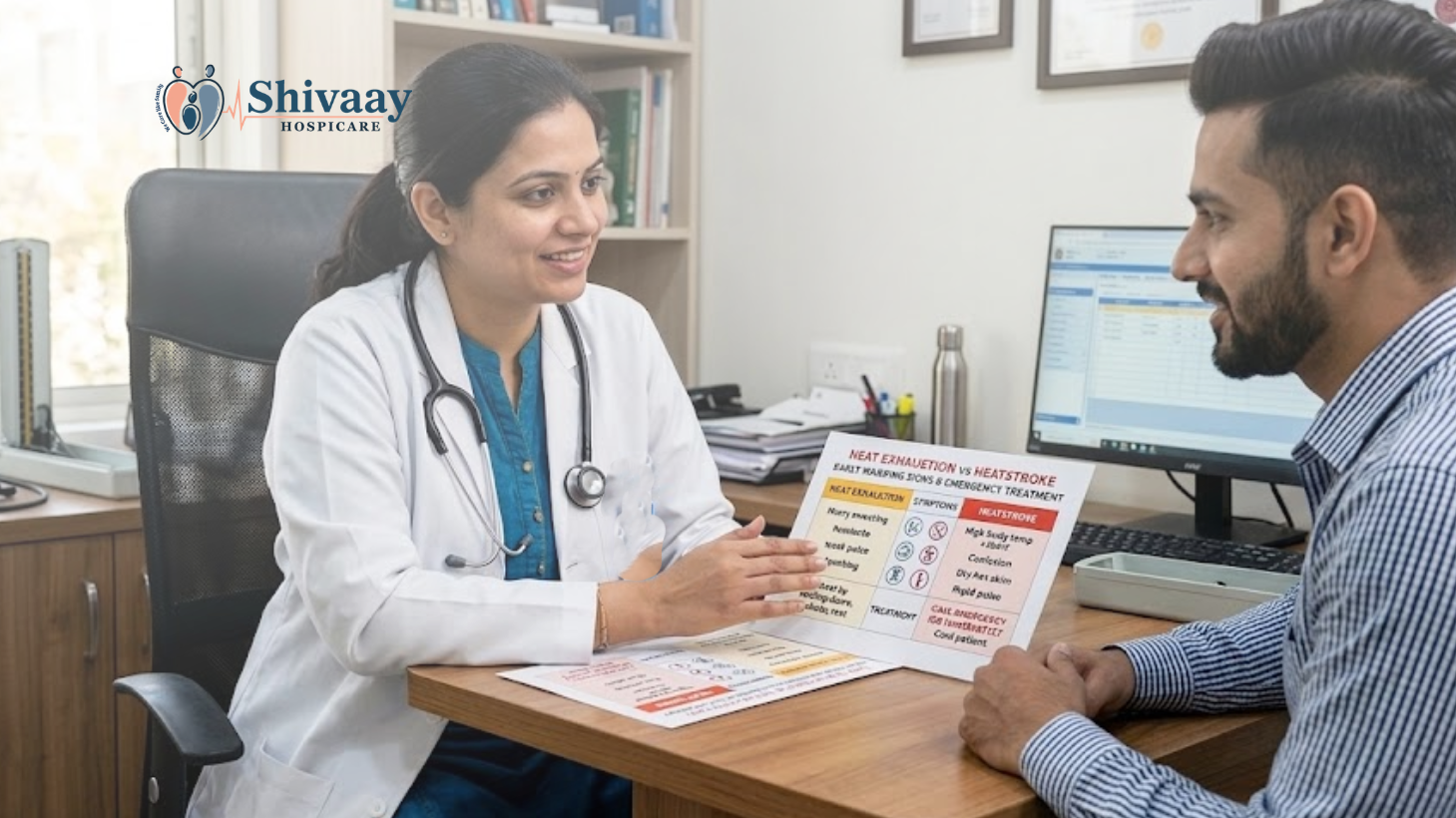
Hot weather can put serious stress on the body. When the body overheats and cannot cool itself properly, heat-related illnesses can occur. Two common conditions are heat exhaustion and heatstroke. Many people confuse the two, but heatstroke is far more dangerous and requires immediate medical attention.
Understanding heat exhaustion symptoms and the signs of heatstroke helps people act quickly and prevent serious complications.
What is heat exhaustion?
Heat exhaustion occurs when the body loses too much water and salt through sweating during high temperatures or intense physical activity. It is common during hot summers, especially in cities where humidity and heat remain high.
People who work outdoors, elderly individuals, children, and those with medical conditions are more likely to develop heat exhaustion.
Common Heat Exhaustion Symptoms
Recognizing heat exhaustion symptoms early can prevent the condition from progressing to heatstroke.
Typical symptoms include
- Heavy sweating
- Weakness and fatigue
- Dizziness or lightheadedness
- Nausea or vomiting
- Headache
- Muscle cramps
- Cool and moist skin
- Fast but weak pulse
These heat exhaustion symptoms usually develop gradually. If proper rest, cooling, and hydration are provided, most people recover safely.
What is heatstroke?
Heatstroke is a medical emergency. It happens when the body temperature rises above 40°C, and the body loses its ability to regulate temperature.
Unlike heat exhaustion, sweating may stop, and the skin may become hot and dry. Immediate heatstroke treatment is required to prevent organ damage, brain injury, or even death.
Signs of Heatstroke
Knowing the signs of heatstroke is extremely important because the condition can become life-threatening very quickly.
Watch for the following symptoms:
- Very high body temperature
- Hot and dry skin
- Rapid heartbeat
- Confusion or disorientation
- Slurred speech
- Seizures
- Loss of consciousness
These signs of heatstroke indicate that the body is no longer able to cool itself.
High Body Temperature Causes
Several factors can lead to overheating and severe heat illness. Some common high body temperature causes include
- Exposure to extreme heat for long hours
- Dehydration
- Strenuous physical activity in hot weather
- Wearing tight or heavy clothing
- Certain medications that affect hydration
Understanding the causes of high body temperature helps reduce the risk of both heat exhaustion and heatstroke.
Heatstroke First Aid
Quick first-aid for heatstroke can save lives before medical help arrives.
Follow these steps immediately
- Move the person to a cool, shaded, or air-conditioned place
- Remove excess clothing
- Place cool, wet cloths on the body
- Use a fan or cool air to lower body temperature
- Give small sips of water only if the person is conscious
- Call emergency medical help immediately
Proper heatstroke first aid helps lower body temperature while waiting for professional heatstroke treatment.
Heat Exhaustion Recovery Time
Most people recover from heat exhaustion within a few hours to one day if treated early. Adequate hydration, rest, and cooling are essential.
Typical heat exhaustion recovery time ranges from a few hours to 24 hours, depending on the severity and the person’s health condition.
However, if symptoms do not improve or worsen, medical evaluation is necessary. A consultant physician in Vadodara can assess the patient and ensure the condition has not progressed to heatstroke.
When to Go to the Hospital for Heatstroke
Many people delay medical care, which can be dangerous. Knowing when to go to the hospital for heatstroke is important.
Seek medical attention immediately if
- Body temperature is extremely high
- The person becomes confused or unconscious
- Vomiting continues
- Seizures occur
- Symptoms do not improve after cooling measures
Doctors provide urgent heatstroke treatment such as rapid cooling, intravenous fluids, and monitoring of vital organs.
Consulting a general physician in Vadodara at the earliest sign of severe heat illness can prevent complications and ensure safe recovery.
Tips to Prevent Heat-Related Illness
Preventing heat illness is always better than treating it.
Simple steps include
- Drink plenty of water throughout the day
- Avoid direct sunlight during peak afternoon hours
- Wear light and breathable clothing
- Take regular breaks if working outdoors
- Avoid heavy exercise during extreme heat
These precautions significantly reduce the risk of developing heat exhaustion symptoms or progressing to heatstroke.
Final Thoughts
Heat exhaustion and heatstroke are serious conditions that should never be ignored. While heat exhaustion symptoms may improve with rest and hydration, the signs of heatstroke require urgent medical care.
Recognizing symptoms early, providing quick heatstroke first aid, and seeking timely heatstroke treatment can save lives during extreme summer heat.
If you or someone around you experiences severe heat illness, consulting a consultant physician near you or a qualified consultant physician in Vadodara can help ensure the right treatment and a safe recovery.
FAQs
What are the early heat exhaustion symptoms
Early heat exhaustion symptoms include heavy sweating, dizziness, fatigue, headache, nausea, muscle cramps, and weakness. The skin may feel cool and moist while the pulse becomes fast. Recognizing these symptoms early helps prevent the condition from progressing to heatstroke.
What are the signs of heatstroke?
Common signs of heatstroke include very high body temperature, hot, dry skin, confusion, rapid heartbeat, seizures, and loss of consciousness. Heatstroke is a medical emergency and requires immediate medical care.
What is the difference between heat exhaustion and heatstroke
Heat exhaustion occurs when the body loses excessive fluids and salts due to heat exposure and sweating. Heatstroke happens when the body temperature rises above dangerous levels, and the body can no longer cool itself. Heatstroke is more severe and needs urgent heatstroke treatment.
What is the first aid for heatstroke?
Immediate heatstroke first aid includes moving the person to a cool, shaded place, removing excess clothing, applying cool, wet cloths, using fans to lower body temperature, and calling emergency medical help. Rapid cooling is important until professional treatment is available.
How long does heat exhaustion recovery take
Typical heat exhaustion recovery time ranges from a few hours to about 24 hours with rest, hydration, and cooling. If symptoms continue or worsen, medical evaluation by a consultant physician in Vadodara is recommended.
When should someone go to the hospital for heatstroke?
You should seek emergency care when there is an extremely high body temperature, confusion, seizures, unconsciousness, or persistent vomiting. Knowing when to go to the hospital for heatstroke is critical because delayed treatment can cause serious complications.
What are the common causes of high body temperature in summer
Common high body temperature causes include prolonged sun exposure, dehydration, intense physical activity in hot weather, and lack of proper hydration. These factors increase the risk of heat exhaustion and heatstroke.