Celebrate World Health Day by Putting Your Health in Caring Hands
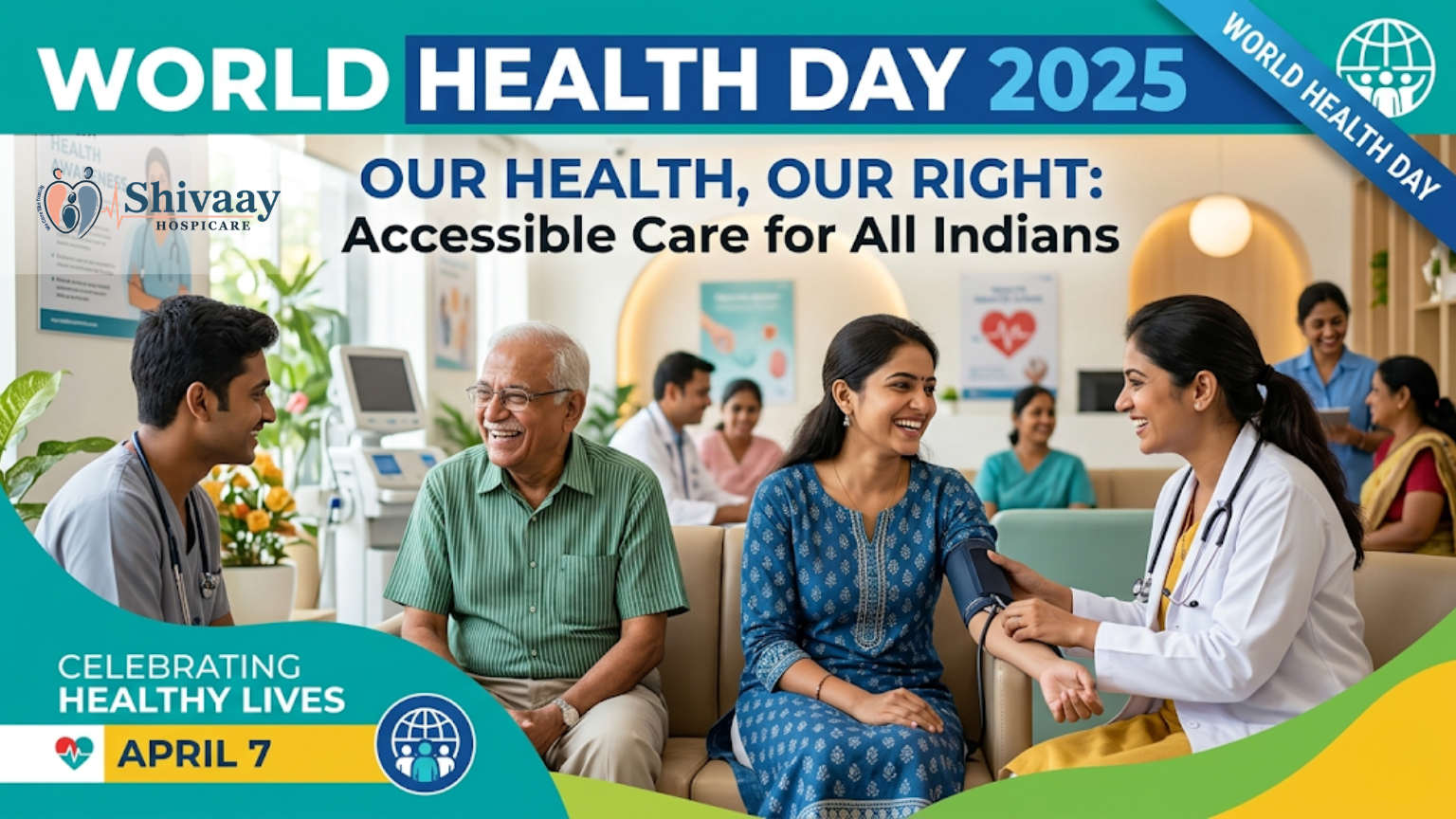
Every year on April 7, World Health Day reminds us of something we often ignore in our busy routines, our health is not a luxury, it’s a necessity. Between deadlines, family responsibilities, and everyday stress, it’s easy to postpone check-ups or overlook small symptoms. But here’s the thing: your body keeps the score, even when you don’t.
World Health Day isn’t just about awareness campaigns or social media posts. It’s a practical nudge to pause and ask a simple question “Am I really taking care of myself?”
Why World Health Day Still Matters
Healthcare has advanced rapidly, yet many people still delay seeking help until a condition worsens. In India, preventive care often takes a back seat. We tend to visit a doctor only when discomfort becomes unavoidable.
This day shifts the focus from treatment to prevention.
Regular health check-ups, early diagnosis, and consistent lifestyle habits can prevent many serious conditions, from diabetes and hypertension to heart disease. What this really means is that small steps today can save you from complicated treatments tomorrow.
Health Is More Than Just “Not Being Sick”
Many people assume they’re healthy because they don’t feel ill. But health goes beyond the absence of disease.
It includes:
- Physical well-being (energy levels, immunity, fitness)
- Mental health (stress, anxiety, emotional balance)
- Lifestyle habits (sleep, diet, activity levels)
Ignoring any one of these areas eventually affects the others. For example, chronic stress can lead to digestive issues or high blood pressure. Poor sleep can impact immunity. It’s all connected.
Simple Changes That Actually Work
You don’t need a drastic life overhaul to improve your health. Start small, but stay consistent.
- Prioritise regular check-ups: Early detection makes treatment easier and more effective
- Eat balanced meals: Focus on home-cooked, nutrient-rich food instead of processed options
- Stay active: Even a 30-minute walk daily can make a difference
- Manage stress: Take breaks, practice mindfulness, or simply disconnect from screens
- Listen to your body: Don’t ignore recurring symptoms like fatigue, pain, or discomfort
These habits may seem basic, but they’re often the most powerful.
The Role of the Right Healthcare Support
Even with the best habits, professional medical guidance is essential. Having a trusted doctor means you’re not guessing when it comes to your health, you’re making informed decisions.
A good healthcare provider doesn’t just treat illness; they guide you through prevention, diagnosis, and long-term wellness. They understand your medical history, your lifestyle, and what works best for you.
Putting Your Health in Caring Hands
This World Health Day, instead of making temporary resolutions, take one meaningful step to connect with a healthcare professional who prioritizes your well-being.
Dr. Reema Solanki Chauhan is known for her patient-first approach and focus on comprehensive care. She believes in not just treating conditions but helping patients understand their health better so they can make confident choices. Whether it’s a routine check-up or addressing ongoing concerns, having the right guidance can make all the difference.
FAQs
Is IV therapy safe for children?
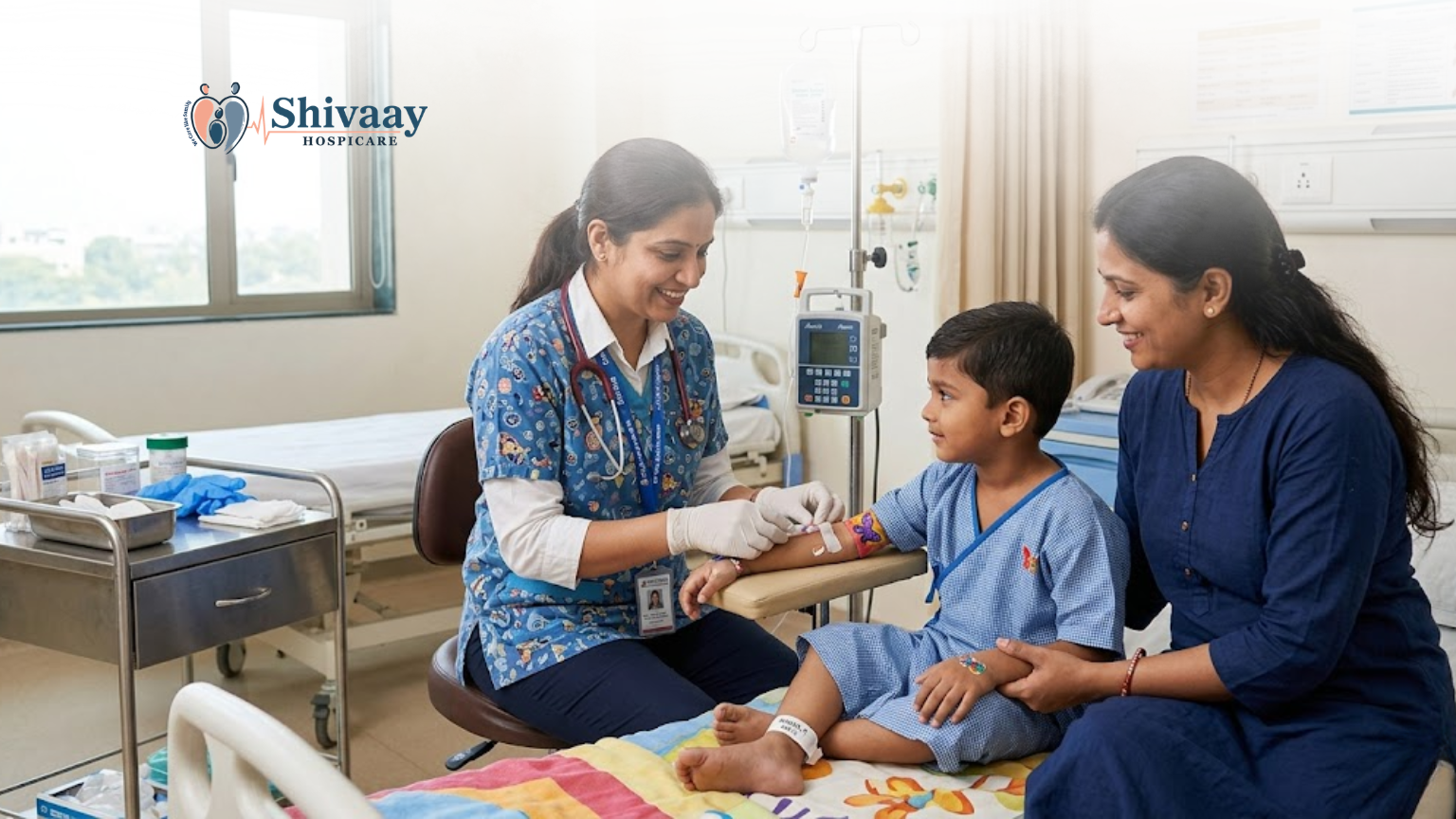
Yes, IV therapy is safe for children when given by trained doctors in a proper medical setting with continuous monitoring.
When does a child need IV fluids?
A child may need IV fluids during dehydration, severe infection, persistent vomiting, or when they cannot drink enough fluids.
Are there any side effects of IV therapy in kids?
Minor side effects can include swelling, bruising, or discomfort at the injection site. Serious complications are rare with proper care.
How long does IV therapy take for children?
The duration depends on the child’s condition. It can range from a few hours to longer in case of severe illness.
Can IV therapy be given at home or wellness clinics for kids?
No, IV therapy for children should only be given in a hospital or under a qualified doctor’s supervision to avoid risks.