Respiratory infections tend to increase during seasonal transitions, especially when temperatures fluctuate. What may start as a mild cold can quickly turn into a more serious condition if ignored.
Understanding why these infections rise and how to manage them helps you stay protected and avoid complications.
Why Do Respiratory Infections Increase During Seasonal Changes?
Seasonal shifts create conditions where viruses and allergens spread more easily. At the same time, the body takes time to adjust, making immunity slightly weaker.
Common reasons include:
- Frequent temperature changes affect immunity
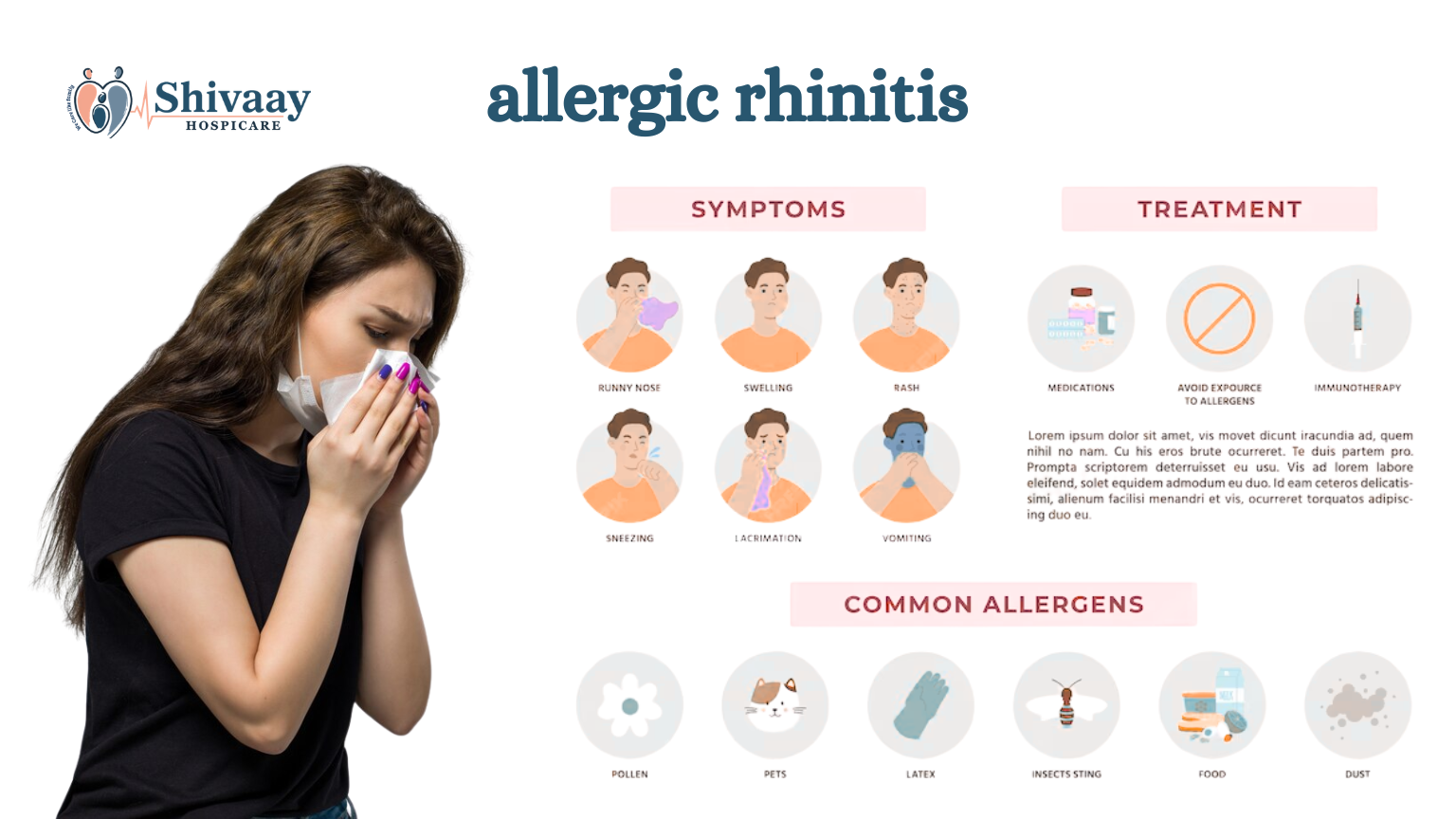
- Increase in pollen, dust, and allergens
- Higher viral transmission in crowded spaces
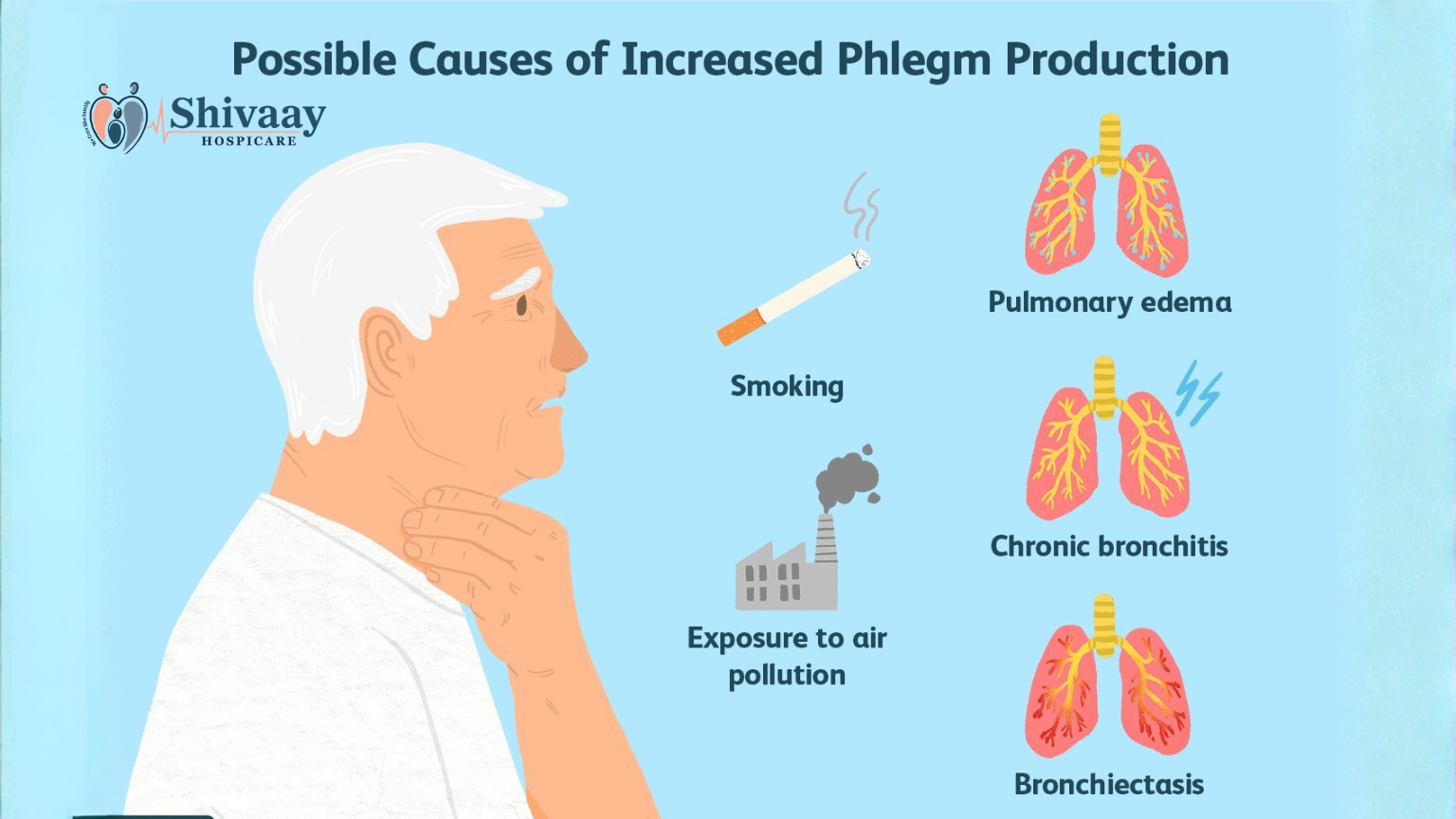
- Pollution and dry air irritate the airways
What this really means is that even healthy individuals may experience respiratory symptoms during these periods.
Common Seasonal Respiratory Infections
Influenza (Flu)
- High fever
- Body aches and fatigue
- Persistent cough
- Sore throat
Respiratory Syncytial Virus (RSV)
- Severe cough
- Wheezing
- Shortness of breath
- Nasal congestion
Other Common Conditions
Bronchitis
- Chest discomfort
- Productive cough
- Breathing difficulty
Sinus Infection
- Nasal congestion
- Facial pain
- Headache
Pneumonia
- Fever and chills
- Rapid breathing
- Chest pain
Symptoms to Watch During Seasonal Changes
Not every cough is serious, but certain symptoms should not be ignored:
- Persistent cough lasting more than a few days
- Fever that does not improve
- Breathlessness or chest discomfort
- Excessive fatigue or weakness
Who is at Higher Risk?
Some individuals are more likely to develop complications:
- Children and infants
- Elderly individuals
- Patients with asthma or lung conditions
- People with diabetes or heart disease
- Individuals with low immunity
These groups should be more cautious during seasonal transitions.
Prevention Tips That Actually Work
Simple steps can significantly reduce your risk:
- Wash your hands frequently
- Avoid crowded places during outbreaks
- Wear masks in polluted or high-risk areas
- Maintain hydration and a balanced diet
- Keep indoor spaces clean and well-ventilated
When Seasonal Illness Becomes Serious
Seek medical attention if you notice:
- Symptoms lasting more than 4–5 days
- Worsening cough or breathing difficulty
- High or persistent fever
- Repeated infections in a short time
Early diagnosis prevents complications and speeds recovery.
Respiratory Care Support in Vadodara
Seasonal infections may seem mild at first, but proper medical care ensures faster recovery and prevents complications.
At Shivaay Hospicare in Vadodara, patients receive evaluation and treatment for respiratory infections, including flu, bronchitis, and pneumonia. The approach focuses on accurate diagnosis, timely treatment, and patient comfort.
Under the guidance of experienced physicians like Dr. Reema Solanki Chauhan, patients receive care tailored to their condition and risk factors.
Key Takeaway
Seasonal respiratory infections are common, but they should not be taken lightly. Awareness, prevention, and timely medical care can make a significant difference in recovery and overall health.



 Designed by Rang Digitech LLC.