
How to Remove Kapam (Phlegm): Causes, Remedies, and Medical Treatment
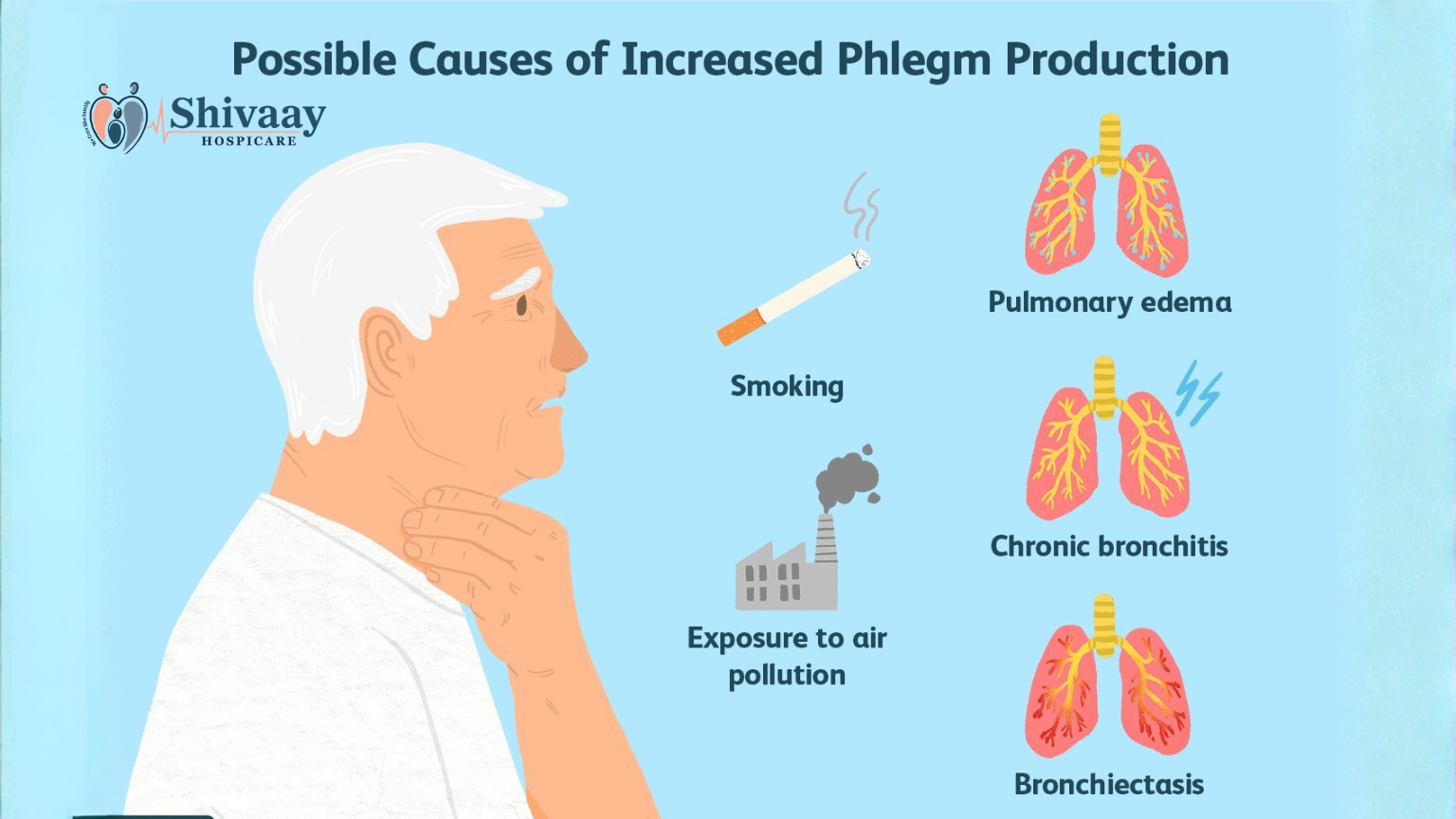
“Kapam” is a commonly used term in India to describe phlegm or mucus that builds up in the respiratory tract. It is usually a symptom rather than a disease and is often seen in conditions like colds, throat infections, bronchitis, or allergies. While occasional mucus is normal, excess kapam can cause discomfort, coughing, throat irritation, and breathing difficulty.
Let’s understand what causes it and how you can get relief effectively.
What Causes Excess Kapam?
Kapam forms as a protective response when the respiratory system is irritated or infected. Some common causes include:
- Viral infections like the common cold or flu
- Bacterial infections such as bronchitis or pneumonia
- Allergies (dust, pollen, pollution)
- Smoking or exposure to pollutants
- Sinus infections leading to post-nasal drip
In cities with high pollution levels, kapam-related complaints are quite common. What’s important to understand is that persistent mucus is often your body’s way of signaling an underlying issue, it’s not something to ignore if it keeps coming back.
Why Awareness Matters
Respiratory symptoms like kapam are often taken lightly, but they can sometimes be early signs of more serious infections, including pneumonia.
According to the Government of India (PIB highlights), pneumonia contributes to nearly 17% of infant deaths in the country, making it a major public health concern. To address this, the Ministry of Health launched the SAANS (Social Awareness and Action to Neutralize Pneumonia Successfully) initiative under the National Health Mission.
This nationwide program focuses on:
- Standardized early treatment, including use of essential antibiotics at the community level
- Training healthcare workers for faster detection and management
- Increasing public awareness so families seek medical care at the right time
What this means for you is simple: symptoms like persistent kapam should not be ignored, especially when they are frequent or worsening.
Symptoms Associated with Kapam
You may notice:
- Persistent cough with mucus
- Throat congestion or irritation
- Difficulty in breathing (in severe cases)
- Frequent throat clearing
- Chest heaviness
If these symptoms last longer than a few days or keep recurring, it’s important to take action rather than relying only on home remedies.
Effective Ways to Remove Kapam
1. Stay Well Hydrated
Drinking plenty of warm fluids helps thin the mucus, making it easier to expel. Warm water, herbal teas, and soups can be especially helpful.
2. Steam Inhalation
Steam inhalation helps loosen mucus in the airways and provides quick relief from congestion.
- Inhale steam 1–2 times daily
- You may add eucalyptus oil for added benefit
3. Gargling with Warm Salt Water
This soothes throat irritation and reduces mucus buildup in the throat.
4. Use of Medications
Treatment depends on the underlying cause:
- Expectorants help loosen and expel mucus
- Antihistamines are useful in allergy-related cases
- Antibiotics are prescribed only for bacterial infections
Avoid self-medication, especially antibiotics, as incorrect use can delay proper treatment.
5. Maintain Indoor Air Quality
- Keep your surroundings clean and dust-free
- Use air purifiers if needed
- Avoid smoke and strong chemical exposure
6. Healthy Diet and Lifestyle
Certain foods may worsen mucus in some people. Focus on balanced nutrition, proper sleep, and regular activity to support your immune system.
When Should You See a Doctor?
Here’s where you shouldn’t wait:
- Mucus persists for more than 5–7 days
- High fever or chest pain develops
- There is blood in the mucus
- Breathing becomes difficult or rapid
- Symptoms keep coming back frequently
These signs may indicate a deeper infection, such as bronchitis or pneumonia, and need medical evaluation.
Expert Care for Lasting Relief
While home remedies can ease symptoms, long-term relief depends on identifying the exact cause. At Shivaay Hospicare, patients receive detailed evaluation and targeted treatment for respiratory concerns.
Under the expert guidance of Dr. Reema Solanki Chauhan, care is focused on accurate diagnosis, timely intervention, and preventing complications. If you are dealing with persistent kapam or related symptoms, getting checked early can make recovery quicker and more effectiv
FAQs
What is kapam, and why does it form?
"Kapham" refers to phlegm or mucus that builds up in the respiratory tract due to infections, allergies, or irritation.
How can I remove kapam quickly at home?
You can reduce kapam by drinking warm fluids, doing steam inhalation, and gargling with salt water to loosen and clear mucus.
Which foods should I avoid when I have kapam?
It is best to avoid cold, oily, and excessively spicy foods, as they may increase mucus production in some people.
When should I see a doctor for kapam?
Consult a doctor if kapam lasts more than a week, worsens, or is accompanied by fever, chest pain, or breathing difficulty.
What medicines are used to treat kapam?
Doctors may prescribe expectorants, antihistamines, or antibiotics depending on the underlying cause of the mucus buildup.