Is LRTI Dangerous When a Chest Infection Becomes Serious

Lower respiratory tract infection is a common health problem, especially during seasonal changes. Many people think a cough and fever will settle on their own. But here’s the thing. Sometimes a simple chest infection can turn serious if ignored.
So, how dangerous is LRTI? Let’s break it down in simple terms, so you know when to seek medical care.
What is a lower respiratory tract infection?
A lower respiratory tract infection affects the airways and lungs. It includes conditions such as bronchitis, pneumonia, and severe lung infections. Unlike a mild cold that affects the throat or nose, LRTI goes deeper into the lungs.
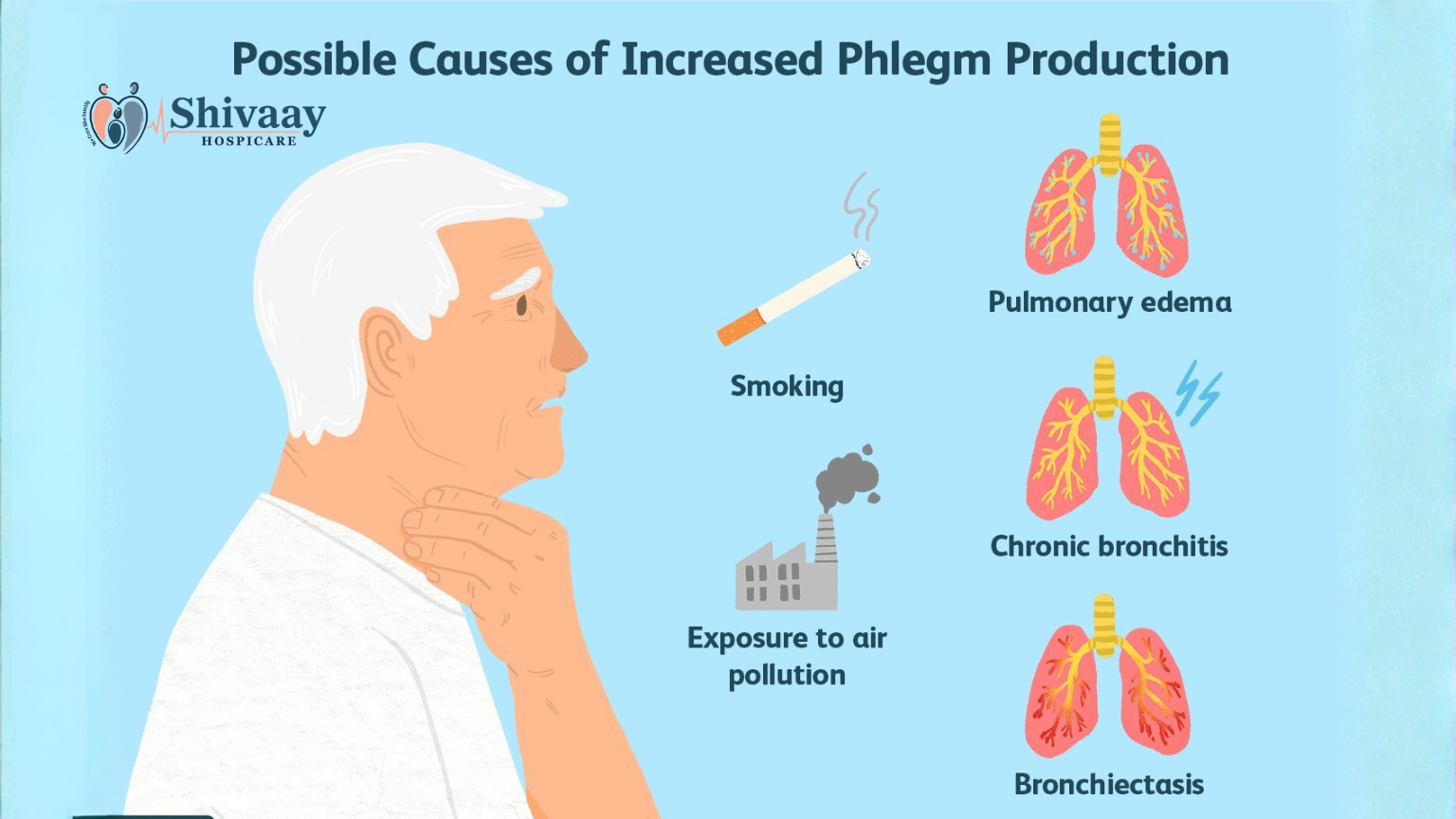
Common causes of serious respiratory infections include viruses, bacteria, and sometimes fungi. In adults, smoking, pollution exposure, weak immunity, diabetes, and heart disease increase the risk of developing a severe chest infection.
Common Chest Infection Symptoms You Should Not Ignore
Chest infection symptoms can start mildly and worsen over a few days. Watch out for:
- Persistent cough with mucus
- High fever with chills
- Breathlessness even at rest
- Chest pain while breathing
- Fatigue and weakness
- Wheezing or noisy breathing
If these chest infection symptoms last more than three to five days or keep getting worse, a medical evaluation is important.
How Dangerous Is LRTI in Adults
Many people ask how dangerous LRTI is. The answer depends on the person’s age, immunity, and existing medical conditions.
In healthy adults, a mild lower respiratory tract infection may improve with proper rest, medicines, and hydration. However, in elderly patients, diabetics, heart patients, or smokers, LRTI complications in adults can become serious.
Possible LRTI complications in adults include:
- Severe pneumonia
- Low oxygen levels
- Lung abscess
- Respiratory failure
- Spread of infection to the bloodstream
These complications may require hospital admission and oxygen support. That is why early diagnosis matters.
Severe Chest Infection Warning Signs
Some symptoms clearly indicate that the infection is becoming dangerous. These severe chest infection warning signs should never be ignored:
- Difficulty breathing or rapid breathing
- Bluish lips or fingertips
- Confusion or drowsiness
- Very high fever not reducing with medicine
- Drop in oxygen levels
- Severe chest pain
If any of these severe chest infection warning signs appear, immediate medical attention is required.
LRTI Treatment Options Based on Severity
LRTI treatment options depend on the cause and severity of infection.
For mild cases, doctors may advise:
- Oral antibiotics if bacterial infection is suspected
- Fever-reducing medicines
- Steam inhalation
- Adequate fluids and rest
For moderate to severe lower respiratory tract infections, treatment may include
- Stronger antibiotics through injection
- Nebulization
- Oxygen therapy
- Hospital admission in critical cases
Timely consultation with a general physician in Vadodara helps in proper diagnosis through chest examination, blood tests, and sometimes a chest X-ray. Early treatment reduces the risk of long-term damage.
Who Is at Higher Risk of Serious Respiratory Infections
Certain groups need extra care because the causes of serious respiratory infections affect them more severely. These include:
- Elderly people above 60
- Patients with diabetes or high blood pressure
- People with asthma or COPD
- Smokers
- Individuals with weak immunity
For them, even mild chest infection symptoms can quickly become dangerous.
When to Consult a Doctor for LRTI
If cough and fever are not improving within a few days, or breathlessness is increasing, it is wise to consult a doctor. Searching for general physician doctors near me during such symptoms should not be delayed.
An experienced and the best consultant physician in Vadodara can assess oxygen levels, check lung sounds, and decide whether home treatment is enough or hospital care is required.
Can LRTI Be Prevented
Prevention is always better than emergency treatment. Simple steps can reduce the risk of lower respiratory tract infection:
- Regular hand washing
- Wearing a mask in polluted areas
- Quitting smoking
- Managing diabetes and blood pressure properly
- Taking recommended vaccinations
These measures lower the chances of severe infection and related complications.
Final Thoughts
So, is LRTI dangerous? It can be, especially when ignored. A lower respiratory tract infection may begin like a normal cough, but can progress into a serious lung condition if not treated on time.
Understanding chest infection symptoms and recognizing severe chest infection warning signs can save lives. Early consultation with a qualified physician ensures proper diagnosis and suitable LRTI treatment options.
If you or your family member experiences a persistent cough, fever, or breathing difficulty, do not wait. Timely medical care makes all the difference between a mild infection and a life-threatening condition.
FAQs
How dangerous is LRTI in adults
Lower Respiratory Tract Infection can range from mild to severe. In healthy adults, it may improve with medicines and rest. However, in elderly people or patients with diabetes, heart disease, or weak immunity, LRTI complications in adults can include pneumonia, low oxygen levels, and respiratory failure. Early medical consultation reduces serious risks.
What are the common chest infection symptoms
Chest infection symptoms include persistent cough with mucus, high fever, breathlessness, chest pain while breathing, fatigue, and wheezing. If these symptoms last more than a few days or worsen, medical evaluation is important.
What are the severe chest infection warning signs
Severe chest infection warning signs include difficulty breathing, very high fever, confusion, bluish lips, low oxygen levels, and severe chest pain. These symptoms need urgent medical attention.
What causes serious respiratory infections
Common causes of serious respiratory infections include viral infections, bacterial infections, smoking, pollution exposure, uncontrolled diabetes, and weak immunity. Elderly individuals are at higher risk.
What are the LRTI treatment options
LRTI treatment options depend on the severity and cause. Mild cases may require oral antibiotics, fever medicines, rest, and fluids. Severe cases may need oxygen support, injectable antibiotics, nebulization, or hospital admission under the supervision of a physician.
When should I consult a General Physician in Vadodara for LRTI
You should consult a general physician in Vadodara if cough and fever do not improve within three to five days or if breathlessness and weakness increase. Early diagnosis prevents complications and ensures proper treatment.