Constant Bloating After Meals: Common Causes and How to Fix It
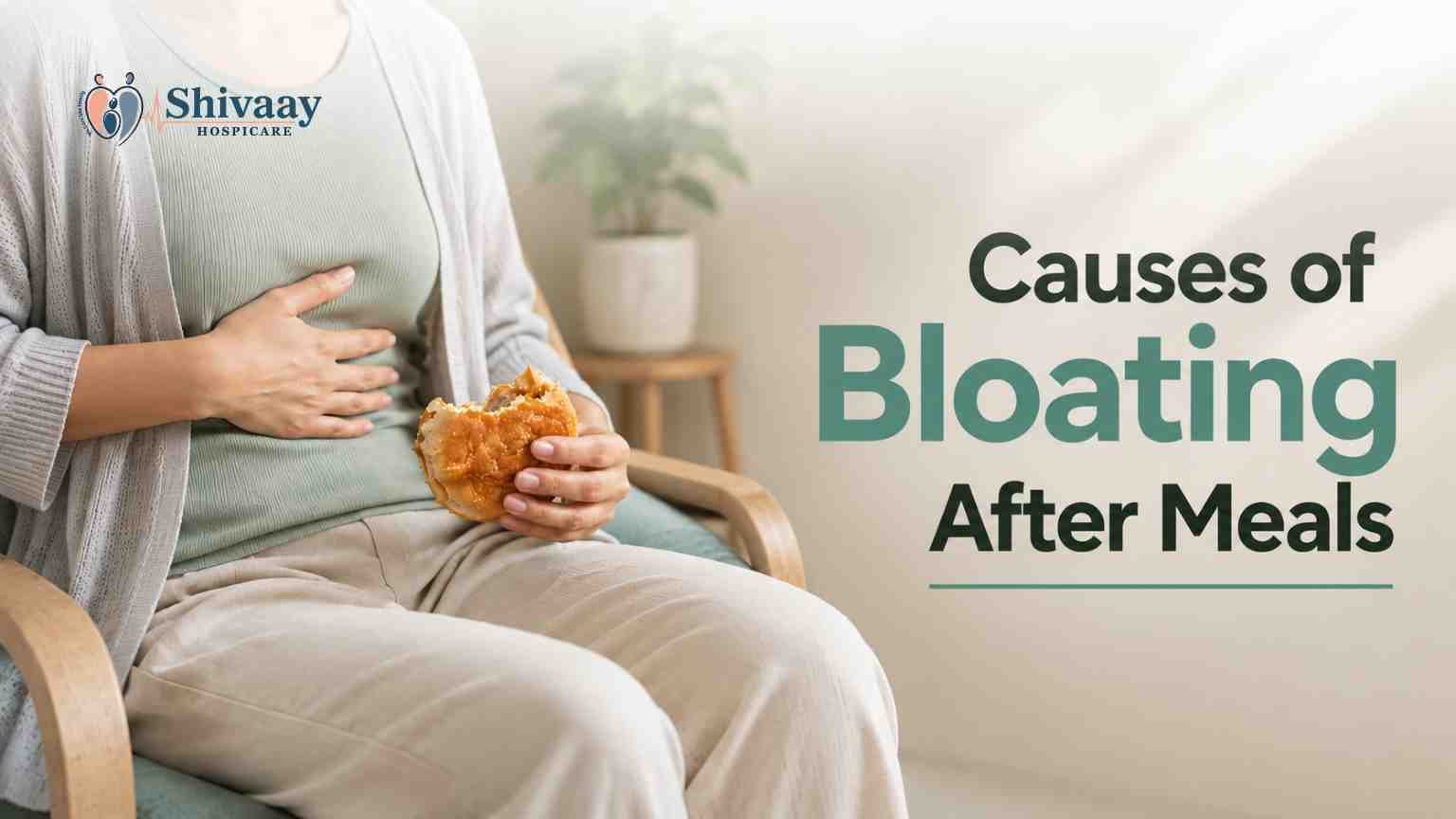
When every meal leaves you feeling heavier than satisfied, your stomach may be asking for a closer look. Feeling bloated occasionally is common, especially after eating a large meal or consuming certain foods. However, constant bloating after meals can become uncomfortable and may interfere with your daily routine, appetite and enjoyment of food.
Bloating can happen for many reasons, including eating too quickly, food intolerances, constipation, digestive disorders and changes in gut bacteria. Identifying the underlying cause is important because the right approach depends on what is triggering your symptoms.
What Causes Constant Bloating After Meals?
Bloating occurs when your abdomen feels full, tight or swollen. It can be caused by excess gas, digestive contents, fluid retention, or changes in how the digestive system moves food.
Some people experience constant bloating after meals because they eat large portions or consume foods that are difficult for their digestive system to tolerate. Others may have an underlying digestive condition.
A best general physician in Vadodara can assess your symptoms and help determine whether lifestyle changes or further medical evaluation may be needed.
Could Eating Too Quickly Cause Bloating?
Eating quickly can cause you to swallow more air. It may also make it easier to consume larger portions before your body has time to recognise that you are full.
Slowing down during meals, chewing food thoroughly, and avoiding unnecessary talking while chewing may help reduce swallowed air and improve eating habits.
If you regularly experience constant bloating after meals despite eating slowly, a physician in Vadodara can help investigate other possible causes.
Can Certain Foods Trigger Bloating?
Some foods can produce more gas during digestion or may be difficult for certain individuals to tolerate. Common examples include beans, certain vegetables, carbonated beverages, and some dairy products.
The effect varies from person to person. A food that causes bloating for one individual may be completely tasty for another.
Keeping a food diary can help you identify whether constant bloating after meals occurs after specific foods or meals.
Is Lactose Intolerance a Possible Cause?
Lactose intolerance occurs when the body has difficulty digesting lactose, the natural sugar found in milk and some dairy products. This can result in bloating, gas, abdominal discomfort, or diarrhoea after consuming dairy.
If symptoms consistently occur after dairy consumption, discuss them with a general physician in Vadodara rather than eliminating large groups of foods without guidance.
Your doctor can help determine whether lactose intolerance or another digestive issue may be responsible.
Can Constipation Cause Frequent Bloating?
Constipation can make you feel full and uncomfortable because stool remains in the digestive tract for longer than usual. Gas may also become trapped, increasing abdominal pressure.
If you have frequent stomach bloating along with infrequent bowel movements, hard stools, or difficulty passing stool, constipation may be contributing to the problem.
A physician in Vadodara can help assess your bowel habits and recommend appropriate measures based on the underlying cause.
How Does Gas Build Up After Eating?
Gas can enter the digestive system when you swallow air, but it can also be produced when gut bacteria break down certain carbohydrates.
Some foods naturally produce more gas during digestion. Eating large portions of these foods may make bloating more noticeable.
If constant bloating after meals is accompanied by excessive gas, abdominal pain or changes in bowel habits, a best general physician in Vadodara can help determine whether further assessment is appropriate.
Could Acid Reflux Be Linked to Bloating?
Bloating and acid reflux can sometimes occur together. A person may experience fullness, belching, heartburn, or regurgitation after eating.
Large meals, eating too quickly, and lying down soon after eating may contribute to digestive discomfort in some people.
If you experience constant bloating after meals along with frequent heartburn or a sour taste, speaking with a physician in Vadodara can help identify whether reflux or another digestive condition may be involved.
Can Stress Affect Digestion?
Your brain and digestive system communicate constantly. Stress can influence digestive movement and may change how your body responds to food.
During periods of stress, some people may experience more gas, abdominal discomfort, constipation or diarrhoea.
Managing stress through regular physical activity, adequate sleep, relaxation techniques and healthy routines may support better digestive wellbeing. However, persistent symptoms should still be evaluated by a general physician in Vadodara.
What Lifestyle Changes May Help Reduce Bloating?
Simple changes can sometimes improve meal-related bloating. Try eating smaller portions, chewing thoroughly, and drinking adequate water throughout the day.
Regular physical activity may also support normal digestion. Avoiding excessive carbonated drinks and identifying foods that consistently trigger symptoms can be useful.
If these measures do not improve constant bloating after meals, medical evaluation may be necessary.
When Should You See a Doctor?
Occasional bloating is usually not a cause for concern. However, persistent or worsening symptoms should not be ignored.
Consider consulting a physician in Vadodara if you experience:
- Persistent abdominal bloating
- Significant or unexplained weight loss
- Severe or recurring abdominal pain
- Frequent vomiting
- Blood in the stool
- Persistent diarrhoea or constipation
- Changes in appetite
- Bloating that consistently interferes with daily activities
These symptoms may have several possible causes, and early evaluation can help identify the appropriate treatment.
How Can a Physician Identify the Cause?
A best general physician in Vadodara may ask about your eating habits, bowel movements, medications, medical history, and the timing of your symptoms.
Your doctor may also want to know whether bloating occurs after specific foods or whether it is accompanied by pain, reflux, diarrhoea or constipation.
Depending on your symptoms, additional tests or specialist evaluation may be recommended. The goal is to identify the underlying cause rather than simply manage the feeling of fullness.
How Can You Prevent Bloating After Meals?
Prevention begins with understanding your personal triggers. Eat slowly, maintain reasonable portion sizes, and avoid foods that consistently cause discomfort.
Keeping regular meal times and staying physically active may also support healthy digestion. If constipation contributes to your symptoms, increasing fibre gradually and maintaining adequate hydration may help, depending on your individual needs.
If you continue experiencing constant bloating after meals, do not rely solely on home remedies. A physician in Vadodara can help determine whether an underlying digestive condition needs attention.
Conclusion
Constant bloating after meals can result from everyday eating habits, food intolerance, constipation, gas, reflux, stress, or an underlying digestive condition. Occasional bloating is common, but persistent symptoms deserve attention, particularly when they occur alongside pain, bowel changes or unexplained weight loss.
Understanding your symptoms and identifying possible triggers can help you take the right steps towards better digestive health. At Shivaay Hospicare, patients can receive personalised medical evaluation and guidance for persistent digestive concerns.
If constant bloating after meals is affecting your comfort or daily routine, do not ignore the symptoms. Contact Shivaay Hospicare to schedule a consultation and receive appropriate medical evaluation and personalised care.
FAQs
Why is hydration important for kids during outdoor sports?
Hydration helps maintain body temperature and energy levels and prevents dehydration-related health issues.
How often should children drink water while playing outside?
Children should drink water every 20 to 30 minutes during outdoor activities, especially in hot weather.
Can dehydration cause skin problems in kids?
Yes, excessive sweating and lack of hydration can lead to rashes, heat boils, and infections.
Is dehydration harmful to the kidneys in children?
Repeated dehydration may increase the risk of kidney stones and urinary infections over time.
What are the first signs of dehydration in kids?
Early signs include dark urine, dry lips, tiredness, headache, and less frequent urination.