
Ear Protection During Swimming to Prevent Infections and Fungal Issues
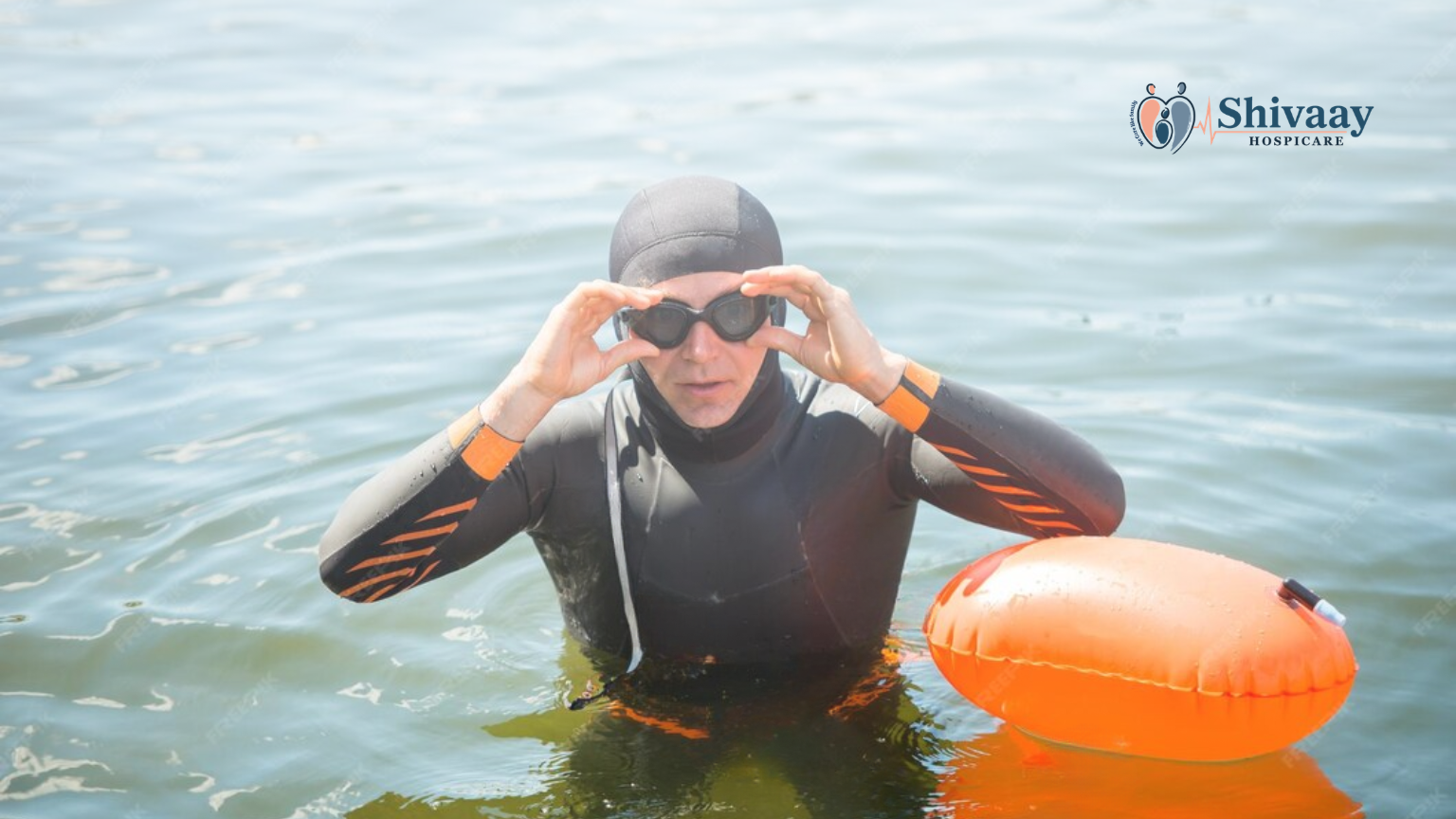
Swimming is refreshing, but it also exposes your ears to moisture that can lead to infections. One of the most common problems is swimmer’s ear, a condition caused by water getting trapped in the ear canal. Studies suggest that around 10% of people develop this condition at some point, with a higher risk among children and frequent swimmers.
A small amount of trapped water may seem harmless, but it can quickly turn into discomfort, pain, and infection if ignored.
Why Water in the Ear Can Lead to Infection
When water remains inside the ear canal, it creates a moist environment where bacteria and fungi grow easily. This risk increases in humid regions and in places where water quality is not well maintained. Chlorine in pools can also irritate the skin inside the ear, making it more vulnerable to infection.
Early Signs You Should Not Ignore
Recognizing symptoms early can prevent complications and speed recovery. Common signs include
- Itching inside the ear
- Mild pain that increases when touching the ear
- A blocked or full feeling
- Fluid discharge
If left untreated, the pain may worsen and affect daily comfort.
Simple Steps to Protect Your Ears While Swimming
Taking care of your ears does not require complex measures. A few simple habits can make a big difference
Keep your ears dry
After swimming, gently dry your ears with a clean towel. Tilt your head to both sides to help water drain out naturally.
Use ear protection
Well-fitted swimming earplugs or a swim cap can reduce water entry and protect the ear canal.
Avoid inserting objects into the ear.
Using cotton buds or fingers can damage the delicate skin inside the ear and increase infection risk.
Choose clean water environments.
Swimming in well-maintained pools lowers the chance of exposure to harmful bacteria and fungi.
Follow medical advice when needed.
In some cases, doctors may suggest preventive ear drops to keep the ear canal dry and safe.
Extra Care for Children and Frequent Swimmers
Children are more prone to ear infections because their ear canals are narrower. Regular swimmers should also be cautious, as repeated exposure to water increases the chances of infection over time.
When to Seek Medical Help
If symptoms such as pain, swelling, or discharge continue for more than two to three days, it is important to consult a doctor. Early treatment helps prevent complications and ensures quicker relief.
Protect Your Ears and Enjoy Swimming Safely
Ear infections can interrupt your routine and cause unnecessary discomfort, but they are largely preventable with simple care. Paying attention to ear hygiene allows you to enjoy water activities without worry.
For expert guidance and personalized care, consult Dr. Reema Solanki Chauhan.
FAQs
How can I prevent ear infection after swimming?
Dry your ears properly, use earplugs, avoid inserting objects, and swim in clean water to reduce infection risk.
Why do my ears hurt after swimming?
Pain usually occurs due to trapped water, causing bacterial or fungal growth in the ear canal.
Are swimming earplugs really effective?
Yes, well-fitted earplugs significantly reduce water entry and lower the chances of infection.
Can dirty pool water cause ear fungus?
Yes, contaminated or poorly maintained water increases the risk of both bacterial and fungal ear infections.
When should I see a doctor for swimmer’s ear?
If symptoms like pain, discharge, or swelling last more than 2–3 days, consult a doctor immediately.