Fatty Liver Disease Without Alcohol: Understanding NAFLD and How to Reverse It
You do not have to drink alcohol to develop liver problems. Sometimes, the healthiest change begins with understanding what your body is silently telling you. Many people associate liver disease with alcohol consumption, but that is not always the case. Fatty liver disease can develop in people who drink little or no alcohol, particularly when excess fat accumulates in the liver due to metabolic factors. Non-alcoholic fatty liver disease, commonly known as NAFLD, can often progress without noticeable symptoms, making awareness and regular health monitoring important.
What Is Fatty Liver Disease?
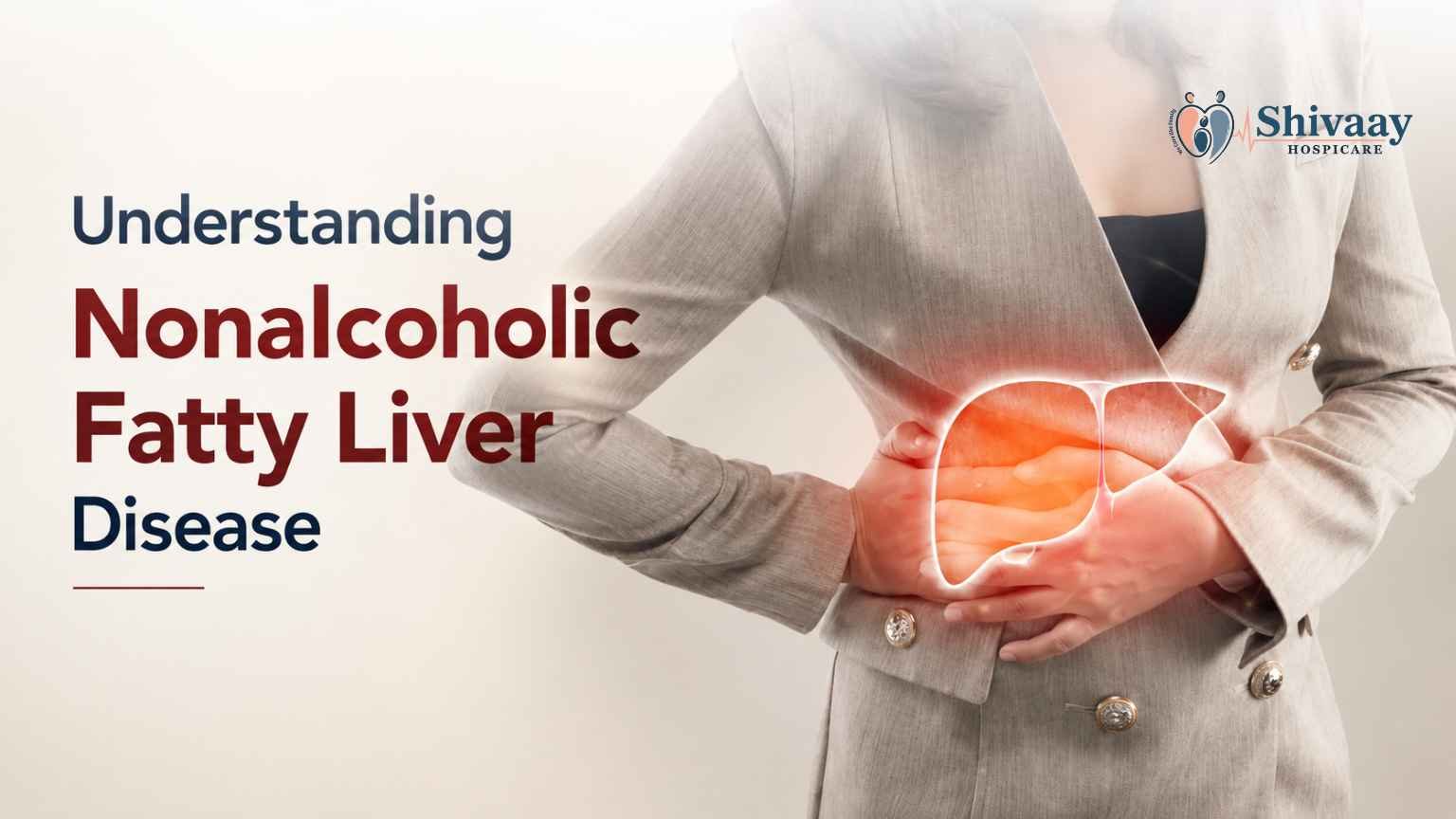
Fatty liver disease occurs when excessive fat builds up in the liver. NAFLD is generally associated with metabolic factors such as overweight or obesity, insulin resistance, type 2 diabetes, and abnormal cholesterol levels.
A best lady physician in Vadodara can help assess your risk factors and recommend appropriate tests if liver health concerns arise.
Can Fatty Liver Disease Occur Without Alcohol?
Yes. Fatty liver disease can occur even when a person does not consume alcohol. NAFLD is commonly associated with metabolic health conditions and lifestyle factors rather than alcohol intake.
The best female doctor in Vadodara can evaluate your medical history, lifestyle, medications, and metabolic health to identify possible contributing factors.
Common Risk Factors for NAFLD
Several factors can increase the likelihood of developing fatty liver disease, including:
- Excess body weight
- Insulin resistance
- Type 2 diabetes
- High cholesterol or triglycerides
- High blood pressure
- Sedentary lifestyle
- Unbalanced dietary patterns
A best lady physician in Vadodara can help identify these risk factors and recommend appropriate lifestyle changes.
Symptoms You Should Not Ignore
In its early stages, fatty liver disease may cause few or no noticeable symptoms. Some people may experience persistent tiredness, discomfort in the upper right side of the abdomen, or a general feeling of unwellness.
The best female doctor in Vadodara recommends medical evaluation when unexplained symptoms persist, particularly when you have known metabolic risk factors.
Fatty Liver Treatment
There is no single treatment that works for everyone with NAFLD. Fatty liver treatment generally focuses on addressing the underlying metabolic and lifestyle factors contributing to fat accumulation in the liver.
A best lady physician in Vadodara can help create a personalized plan based on your overall health, blood test results, and other risk factors.
Can Fatty Liver Be Reversed?
In many cases, lifestyle changes can reduce liver fat and improve overall metabolic health. Losing weight gradually when medically appropriate, eating a balanced diet, exercising regularly, and managing conditions such as diabetes and high cholesterol can support liver health.
The best female doctor in Vadodara can guide you toward sustainable changes rather than recommending extreme diets or rapid weight-loss methods.
How Diet and Exercise Support Liver Health
A healthy lifestyle plays an important role in managing fatty liver disease. Helpful habits may include:
- Choosing vegetables, whole grains, lean proteins, and fibre-rich foods.
- Limiting excess added sugar and highly processed foods.
- Staying physically active.
- Maintaining a healthy weight.
- Managing blood sugar and cholesterol levels.
- Avoiding unnecessary supplements or medications without medical advice.
The best lady physician in Vadodara can recommend dietary and activity changes according to your individual health requirements.
Why Regular Monitoring Matters
Even when fatty liver disease causes no obvious symptoms, regular medical monitoring can help track liver health and identify signs of progression. Depending on your situation, your doctor may recommend blood tests, imaging studies, or other evaluations.
The best female doctor in Vadodara can determine which assessments are appropriate based on your risk factors and medical history.
Conclusion
Fatty liver disease can affect people who consume little or no alcohol, and its connection with metabolic health makes early awareness particularly important. With appropriate lifestyle changes, regular monitoring, and professional medical guidance, many people can improve their liver health and reduce the risk of complications. Shivaay Hospicare is committed to providing compassionate healthcare, accurate evaluation, and personalised medical guidance to support better liver and overall health.
Concerned about fatty liver or your liver health? Contact our team today to schedule a consultation and receive personalised medical evaluation and guidance from Shivaay Hospicare.
FAQs
Why is hydration important for kids during outdoor sports?
Hydration helps maintain body temperature and energy levels and prevents dehydration-related health issues.
How often should children drink water while playing outside?
Children should drink water every 20 to 30 minutes during outdoor activities, especially in hot weather.
Can dehydration cause skin problems in kids?
Yes, excessive sweating and lack of hydration can lead to rashes, heat boils, and infections.
Is dehydration harmful to the kidneys in children?
Repeated dehydration may increase the risk of kidney stones and urinary infections over time.
What are the first signs of dehydration in kids?
Early signs include dark urine, dry lips, tiredness, headache, and less frequent urination.