Heat Exhaustion Symptoms and Management Guide from a Physician Doctor in Vadodara
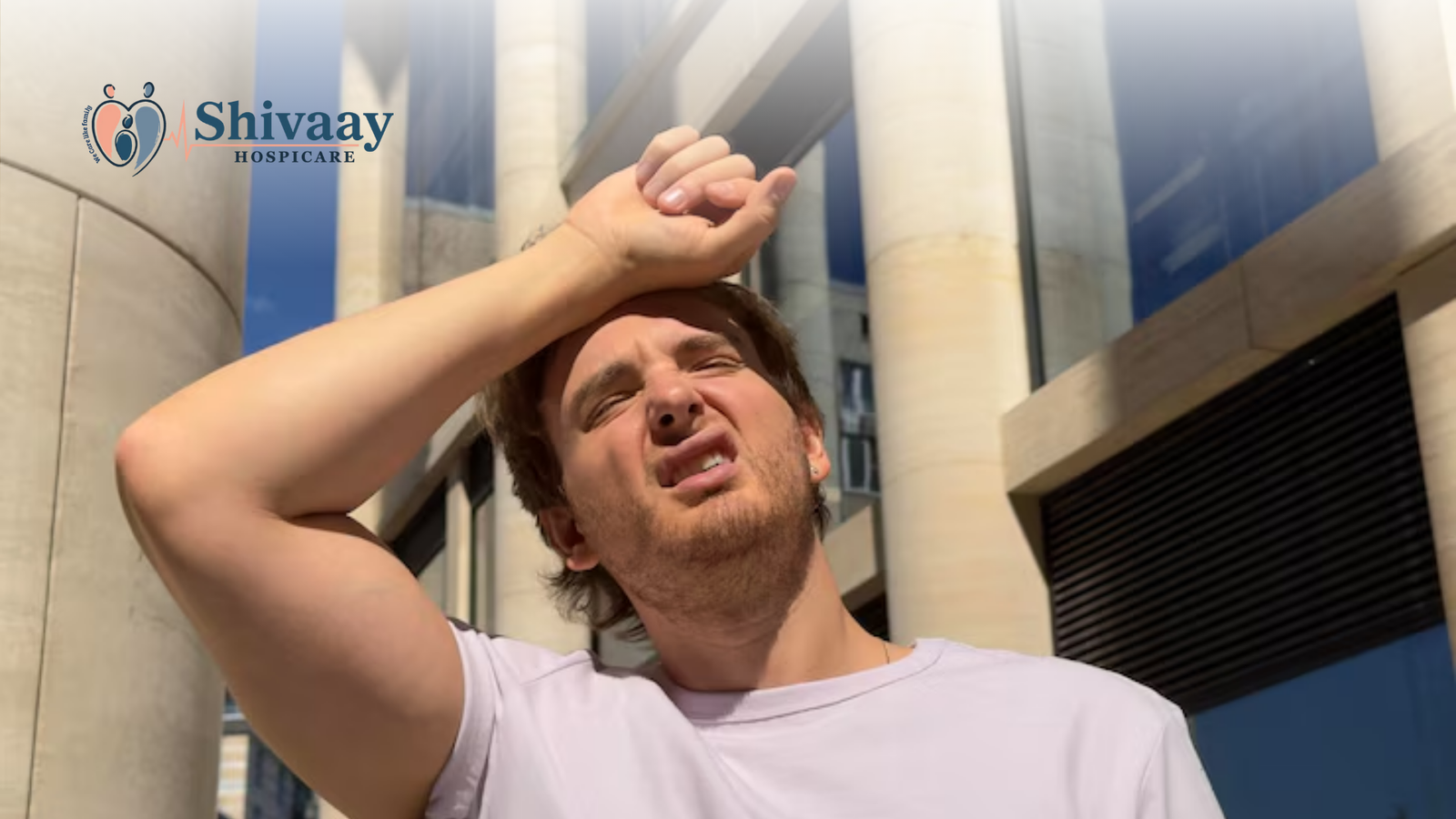
Heat exhaustion is a common but potentially serious condition, especially during the peak summer months in Gujarat. It happens when your body overheats due to prolonged exposure to high temperatures, dehydration, or physical exertion in hot environments.
If not treated in time, heat exhaustion can quickly progress to heat stroke, which is a medical emergency.
What To Do Immediately (First Aid for Heat Exhaustion)
If you or someone around you shows signs of heat exhaustion, act quickly:
- Move the person to a cool, shaded, or air-conditioned place
- Give cool water or oral rehydration solution (ORS)
- Loosen or remove tight clothing
- Apply cool, wet cloths to the body
- Let the person rest and avoid further heat exposure
If symptoms do not improve within 30 minutes, seek medical help immediately.
When Heat Exhaustion Becomes an Emergency
Heat exhaustion can turn into heat stroke if ignored. Seek urgent medical care if you notice:
- Confusion or altered mental state
- Fainting or unconsciousness
- Persistent vomiting
- Body temperature above 40°C (104°F)
- Rapid heartbeat or difficulty breathing
These are warning signs of heat stroke and require immediate hospital treatment.
Heat Exhaustion Treatment at Shivaay Hospicare, Vadodara
At Shivaay Hospicare, we provide prompt and effective treatment for heat-related illnesses.
Our treatment approach includes:
- IV fluids to correct dehydration quickly
- Electrolyte balance restoration
- Continuous monitoring of vital signs
- Oxygen support if required
- Emergency stabilization to prevent complications
Early medical intervention can prevent serious outcomes and ensure faster recovery.
Common Symptoms of Heat Exhaustion
Recognizing symptoms early can prevent complications:
- Heavy sweating
- Weakness or fatigue
- Dizziness or lightheadedness
- Headache
- Nausea or vomiting
- Muscle cramps
- Cool, moist skin
- Fast, weak pulse
Causes of Heat Exhaustion
Heat exhaustion usually occurs due to:
- Prolonged exposure to high temperatures
- Dehydration or inadequate fluid intake
- Outdoor work or physical activity in hot weather
- Wearing heavy or non-breathable clothing
People at higher risk include elderly individuals, children, outdoor workers, and patients with chronic illnesses.
Can Heat Exhaustion Be Treated at Home?
Mild cases can often be managed at home with rest, hydration, and cooling measures.
However, medical attention is necessary if:
- Symptoms persist or worsen
- The person cannot drink fluids
- There is confusion or fainting
How to Prevent Heat Exhaustion
Simple precautions can help you stay safe during extreme heat:
- Drink plenty of water throughout the day
- Avoid direct sun exposure during peak hours (12 PM – 4 PM)
- Wear light, loose, and breathable clothing
- Use hats or umbrellas when outdoors
- Take frequent breaks if working in the heat
Medically Reviewed
This information is reviewed by experienced medical professional Dr. Reema Solanki Chauhan at Shivaay Hospicare, Vadodara, ensuring accuracy and patient safety.
Heat Exhaustion Treatment in Vadodara
If you or your loved one is experiencing symptoms of heat exhaustion, don’t delay treatment.
Shivaay Hospicare in Vadodara offers reliable emergency care, experienced doctors, and quick response for heat-related illnesses.
Early treatment can prevent complications and ensure safe recovery.
FAQs
What are the early symptoms of heat exhaustion
Early heat exhaustion symptoms include heavy sweating, dizziness, fatigue, headache, nausea, muscle cramps, and a rapid, weak pulse. These signs often appear after prolonged exposure to high temperatures or dehydration.
How do you treat heat exhaustion quickly
Treatment includes moving to a cool place, resting, drinking water or electrolyte fluids, loosening clothing, and applying cool compresses. If symptoms do not improve within an hour, medical evaluation by a general physician is recommended.
When should you see a doctor for heat exhaustion
You should consult a physician doctor in Vadodara if symptoms persist for more than one hour, worsen, or include vomiting, confusion, or fainting. Early medical care helps prevent heat stroke.
Who is most at risk for heat exhaustion
People who work outdoors, elderly individuals, children, athletes, and patients with chronic illnesses are more vulnerable to heat exhaustion during extreme summer temperatures.
Can heat exhaustion lead to heat stroke
Yes. If heat exhaustion is not treated early, body temperature may rise dangerously and lead to heat stroke, which requires emergency medical treatment.
How can heat exhaustion be prevented
Prevention includes drinking enough water, avoiding direct sun exposure during peak hours, wearing loose clothing, and taking regular breaks when working in hot environments.