
Travel Health Guide for Safe Trips: Hydration Tips and Disease Prevention
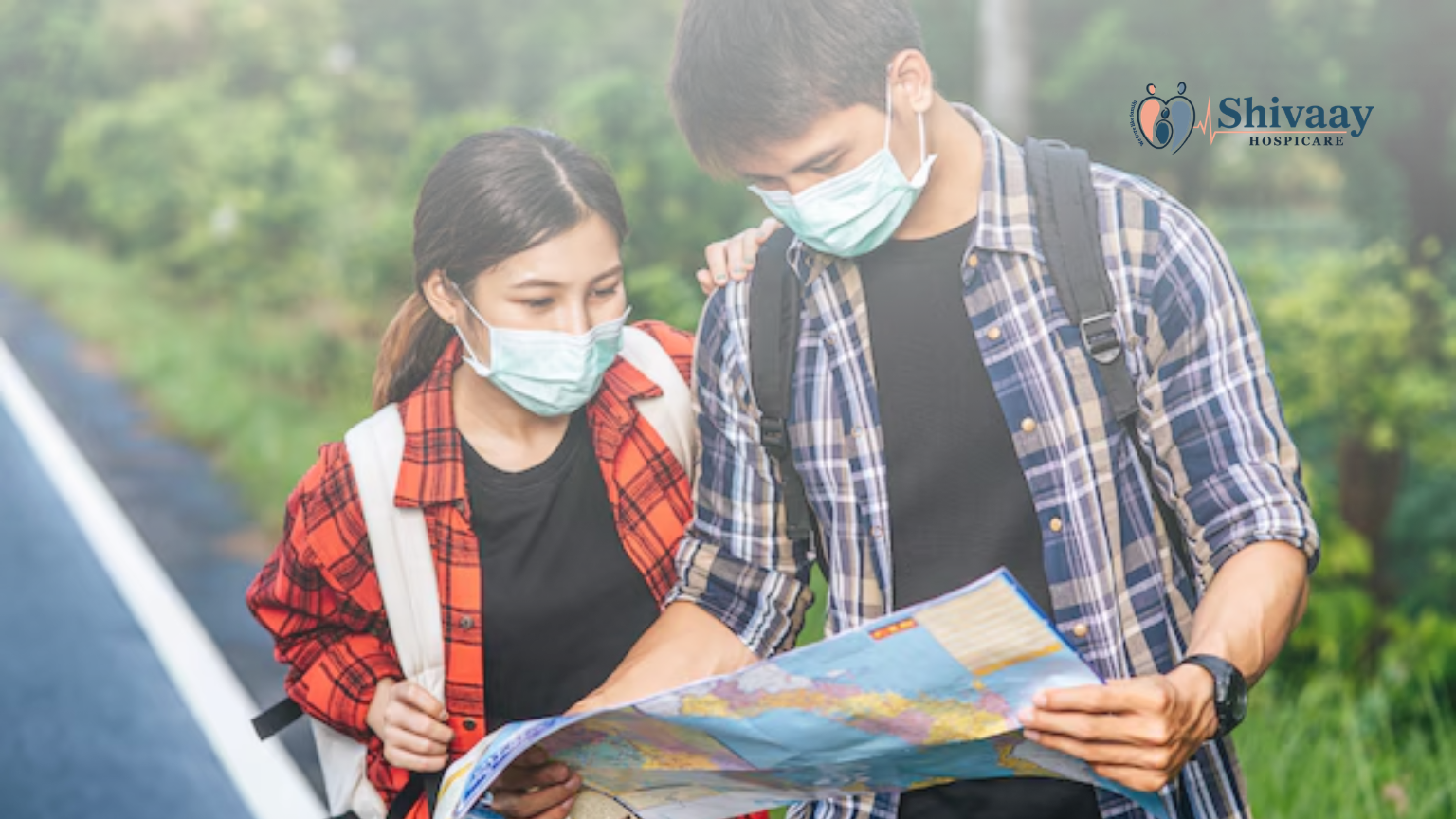
Traveling to countries like Vietnam, Thailand, Indonesia, Nepal, Bangladesh, China, and many parts of Africa can be exciting and enriching. At the same time, these regions may expose travelers to different water quality and hygiene standards. One simple truth often gets overlooked. Many travel-related illnesses are linked to unsafe water and food. When you manage these well, you protect your liver, digestion, and overall health.
Why Hydration Matters During Travel
Hot and humid climates increase fluid loss through sweat, which can lead to dehydration, fatigue, and digestive discomfort. According to the World Health Organization, unsafe drinking water contributes to over 485,000 deaths annually worldwide, primarily from diarrheal diseases.
Drinking water alone is not enough. Safe and treated water is essential.
Essential Hydration Habits for Safe Travel
- Drink sealed bottled water or use a reliable filtration system
- Avoid ice unless it is made from purified water
- Use safe drinking water even while brushing your teeth in high-risk areas
- Carry oral rehydration salts to manage early dehydration
- Limit alcohol and caffeine in hot climates
Travellers in destinations like Thailand or Vietnam often underestimate how quickly dehydration can set in.
Water-Borne Diseases Every Traveller Should Know
In regions with sanitation challenges, the risk of infection increases, especially for visitors.
Common diseases include
- Hepatitis A and E are seen across South Asia, Africa, and Southeast Asia
- Typhoid fever is common in Bangladesh, Nepal, and parts of Indonesia
- Cholera is reported in some African and Asian regions during outbreaks
- Traveller’s diarrhoea caused by E. coli, affecting up to 70% of travellers in high-risk regions
These conditions can impact the liver and digestive system and may take time to recover if not managed properly.
Proven Ways to Prevent Travel Illness
Prevention comes down to consistent habits rather than extreme restrictions.
Food and hygiene practices that reduce risk
- Eat freshly cooked and hot meals
- Avoid raw salads and uncovered street food
- Choose fruits that you can peel yourself
- Wash your hands regularly or use hand sanitizer.
Even one unsafe meal can increase your risk, especially in high-exposure settings.
Vaccines to Consider Before International Travel
Vaccination is a key step in travel preparation and should be planned.
Recommended vaccines include
- Hepatitis A in most Asian and African countries
- Typhoid for South and Southeast Asia
- Cholera for specific high-risk regions
- Yellow fever is mandatory for entry into certain African countries
- Hepatitis B for long-term travel or higher exposure risk
It is best to take these vaccines two to four weeks before travel. Some countries may require proof of vaccination upon entry.
Other Travel Health Risks You Should Not Ignore
Water is not the only concern. In many tropical destinations, mosquito-borne diseases are also common.
Be aware of
- Dengue is widely reported in Southeast Asia and parts of India
- Malaria is present in several African and some Asian regions
Use mosquito repellents, wear protective clothing, and choose accommodations with proper protection.
It is also wise to carry a basic medical kit with essentials like oral rehydration salts and antidiarrhoeal medication. Travel insurance can provide added support during emergencies.
Quick Travel Health Checklist
- Drink only safe or treated water
- Avoid ice and raw or uncovered food
- Carry oral rehydration salts and basic medication
- Get recommended vaccinations before travel
- Protect yourself from mosquito bites
Solid Habits Strong Liver for Every Journey
A healthy trip is built on small, consistent decisions. Your liver and digestive system work constantly to process what you consume and maintain your energy.
When you stay hydrated with safe drinking water, eat mindfully, and prepare in advance, you significantly reduce health risks.
Travel should leave you with meaningful memories, not avoidable health issues. Strong habits help you stay strong wherever you go.
Healthy travel begins with mindful choices. If you need expert advice on hydration, immunity, or disease prevention, reach out to Dr. Reema Solanki Chauhan, expert physician at Shivaay Hospicare.
FAQs
What is the safest way to stay hydrated while traveling abroad?
The safest way is to drink sealed bottled water or properly filtered water. Avoid ice unless it is made from purified water, and use safe drinking water even for brushing your teeth in high-risk regions.
Which waterborne diseases should travelers be aware of?
Travellers should watch out for hepatitis A, typhoid, cholera, and traveller's diarrhea. These are more common in regions with limited sanitation and unsafe water sources.
Do I need vaccines before travelling to countries like Vietnam or Africa?
Yes, vaccines such as hepatitis A, typhoid, and, in some cases, yellow fever are recommended. Some countries require proof of vaccination before entry, especially for yellow fever.
How can I avoid getting sick from food while travelling?
Eat freshly cooked hot meals, avoid raw salads and uncovered street food, and choose fruits that you can peel yourself. Regular hand hygiene also reduces risk.
What should I carry in a travel health kit?
Carry oral rehydration salts, antidiarrheal medication, hand sanitizer, and basic first aid supplies. These help manage common travel-related health issues quickly.