
How Do You Avoid Pneumonia in the Summer?
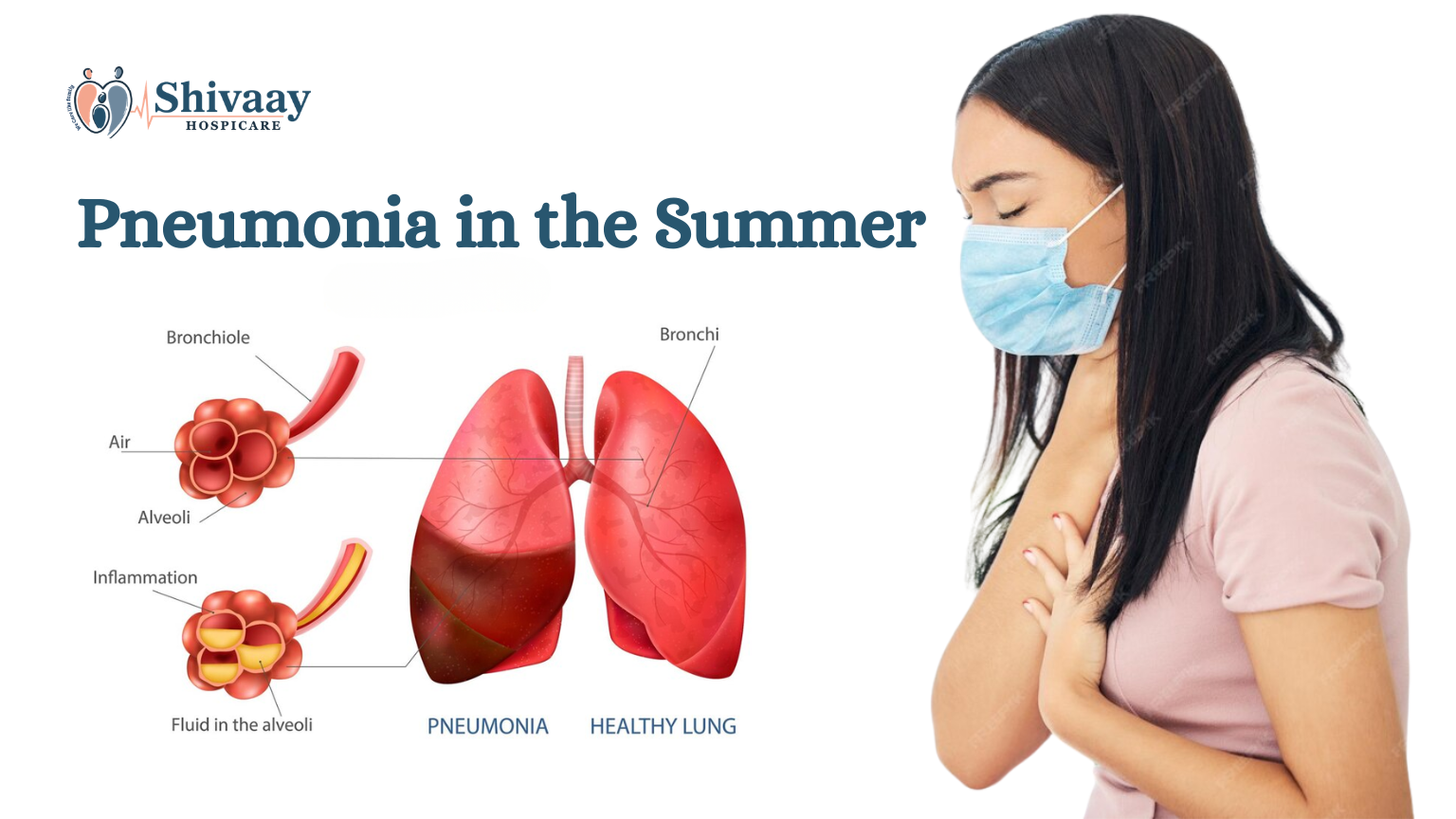
Most people associate pneumonia with winter, but here’s the part many miss, it doesn’t take cold weather to affect your lungs. Pneumonia can develop even in peak summer, often triggered by everyday habits we don’t think twice about.
Pneumonia is a lung infection caused by bacteria, viruses, or fungi. And during summer, certain environmental and lifestyle factors quietly increase your risk.
What is pneumonia?
Pneumonia is an infection that inflames the air sacs in the lungs. These sacs can fill with fluid or pus, making it harder for oxygen to reach your bloodstream. That’s why people often feel breathless, weak, or unusually tired.
Here’s what matters for you as a patient: not all pneumonia is the same. Some types respond well to basic treatment, while others can become serious if treatment is delayed.
Doctors in India commonly see bacterial causes like Streptococcus pneumoniae. But there’s a growing concern that some infections today are harder to treat because certain bacteria no longer respond well to common antibiotics. What this means in simple terms is that delayed care can quickly turn a manageable infection into a complicated one.
Why Does Pneumonia Occur in Summer?
Summer itself isn’t the problem. It’s how we live during the summer that creates the risk.
1. Sudden Temperature Swings
Constantly shifting between outdoor heat and cold indoor air can irritate your airways. Over time, this reduces your lungs’ natural defense, making infections easier to develop.
2. Poorly Maintained Air Conditioning
An unclean AC doesn’t just cool the room. It can circulate dust, mold, and bacteria. Breathing this in daily can trigger respiratory infections, especially in closed spaces.
3. Dehydration
When you’re dehydrated, your respiratory lining becomes dry. This lining acts like a protective barrier, and when it weakens, germs can enter more easily.
4. Contaminated Water Exposure
Places like poorly maintained pools or water systems may carry bacteria such as Legionella, which can lead to a serious form of pneumonia.
5. Lifestyle Fatigue
Irregular meals, poor sleep, and heat exhaustion quietly weaken your immune system, making it easier for infections to take hold.
Pneumonia in India: Why This Isn’t Something to Ignore
Pneumonia continues to be a serious health issue in India, especially for children and older adults.
According to national health data (HMIS 2025) and global estimates from WHO and UNICEF:
- Around 17.5% of deaths in children under five are linked to pneumonia
- India reported over 4.7 lakh childhood pneumonia cases in 2025
- Every year, pneumonia contributes to 11,000+ infant deaths and 4,500 deaths in children aged 1–5 years
Adults are not immune either. Risk increases after 50, especially with smoking, pollution exposure, or existing lung conditions. In severe cases requiring ICU care, outcomes can worsen significantly if treatment is delayed.
What this really tells us is simple: pneumonia is common, but ignoring early symptoms is what makes it dangerous.
Common Symptoms to Watch For
- Persistent cough (with or without mucus)
- Fever and chills
- Shortness of breath
- Chest pain while breathing or coughing
- Unusual fatigue or weakness
These may look like a regular infection at first, but the pattern and progression matter.
When Does Pneumonia Become Dangerous?
This is the part most people miss.
You should seek immediate medical care if you notice:
- Breathing difficulty or fast breathing
- Oxygen levels dropping (if you have access to a pulse oximeter)
- High fever lasting more than 2–3 days
- Confusion or unusual drowsiness (especially in elderly patients)
- Chest pain that worsens with breathing
- Bluish lips or fingertips
In children, warning signs include rapid breathing, chest indrawing, or refusal to eat.
These are not symptoms to “wait and watch.” They indicate that the infection may be affecting oxygen levels or spreading rapidly.
Who is at Higher Risk?
- Elderly individuals
- Children under 5 years
- People with diabetes, asthma, or chronic lung disease
- Smokers
- Individuals with low immunity
In India, added risks like air pollution, malnutrition, and delayed medical access make timely care even more important.
How to Prevent Pneumonia in Summer
Prevention is less about drastic changes and more about consistent habits:
- Stay hydrated throughout the day
- Avoid direct exposure to very cold air immediately after heat exposure
- Service and clean air conditioners regularly
- Maintain indoor ventilation
- Wash your hands frequently
- Stay updated with vaccinations, especially pneumococcal vaccines
Public health programs like the SAANS initiative are also working to reduce pneumonia-related deaths by improving awareness and early intervention.
Expert Care You Can Trust
Pneumonia can escalate faster than expected, especially when ignored in the early stages. Getting the right diagnosis at the right time makes all the difference.
At Shivaay Hospicare, patients receive thorough evaluation and treatment tailored to the severity of their condition. Under the care of Dr. Reema Solanki Chauhan, the focus remains on early detection, evidence-based treatment, and close monitoring to prevent complications.
If symptoms feel persistent or severe, it’s always safer to get checked early rather than wait for them to worsen.
FAQs
Can you get pneumonia during the summer season?
Yes, pneumonia can occur in summer due to factors like air conditioning, dehydration, poor ventilation, and exposure to bacteria.
What causes pneumonia in summer?
Common causes include sudden temperature changes, contaminated AC systems, waterborne bacteria, and weakened immunity.
What are the early symptoms of pneumonia?
Early symptoms include cough, fever, chills, shortness of breath, chest pain, and fatigue.
How can I prevent pneumonia in summer?
You can prevent it by staying hydrated, maintaining clean air conditioning systems, practicing hygiene, and avoiding extreme temperature changes.
When should I see a doctor for pneumonia symptoms?
Consult a doctor if you have persistent fever, breathing difficulty, chest pain, or symptoms that worsen over a few days.