
Recurrent Respiratory Infections in Monsoon: Causes, Symptoms, and Treatment
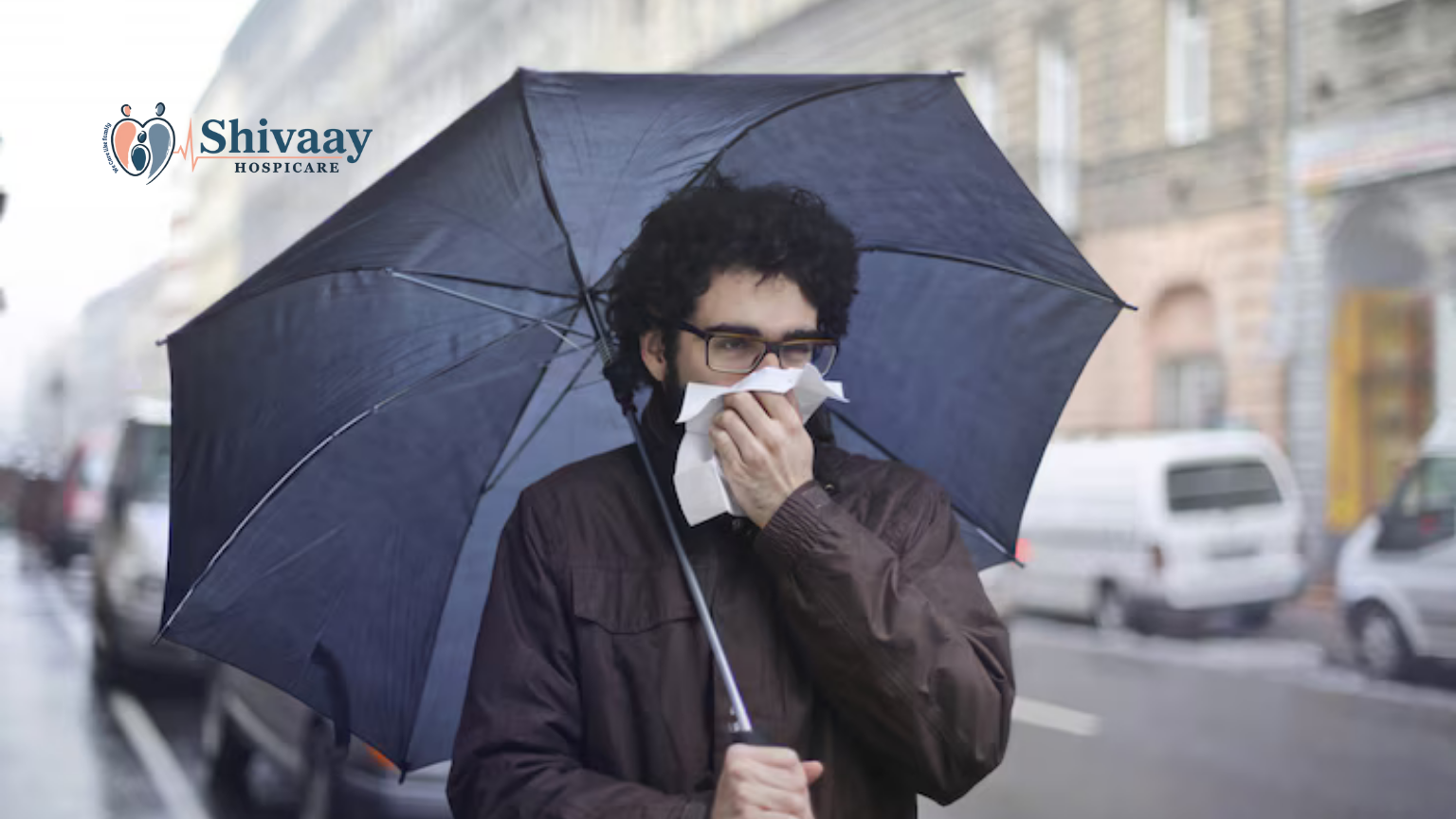
Monsoon brings relief from heat, but for many people, it also brings repeated cough, cold, throat infections, and breathing problems.
If you find yourself getting sick again and again during the rainy season, it’s not just “seasonal.” Recurrent respiratory infections often signal underlying issues that need proper medical attention.
Let’s break down what’s really happening and when you should stop managing it at home and see a doctor.
Why Do Respiratory Infections Increase During Monsoon?
The monsoon creates the perfect environment for infections to thrive.
Here’s what’s working against you:
- High humidity allows bacteria and viruses to multiply faster
- Damp surroundings trigger mold and allergens
- Weak immunity due to seasonal changes
- Crowded indoor spaces increase infection spread
For some people, especially children, elderly individuals, and those with asthma or allergies, this leads to repeated infections within weeks.
What Are Recurrent Respiratory Infections?
You may be dealing with recurrent infections if:
- You get a cough, cold, or throat infection multiple times in a season
- Symptoms return soon after recovery
- You need frequent medications or antibiotics
This is not just an inconvenience, it may indicate the following:
- Poor immunity
- Untreated underlying lung conditions
- Incomplete recovery from previous infections
Common Symptoms to Watch For
Most respiratory infections start mildly but can worsen if ignored.
Look out for:
- Persistent cough
- Fever or chills
- Sore throat
- Runny or blocked nose
- Chest congestion
- Fatigue and weakness
Warning Signs That Need Medical Attention
Here’s where you should not delay.
Consult a doctor immediately if you notice:
- Fever lasting more than 2–3 days
- Breathlessness or difficulty breathing
- Chest pain or tightness
- Frequent recurrence within a short period
- Symptoms not improving with basic treatment
These signs may indicate a more serious infection, like bronchitis or pneumonia.
How Doctors Diagnose Recurrent Respiratory Infections
At a hospital, the focus is not just treating symptoms—but finding the root cause.
Evaluation may include:
- Physical chest examination
- Oxygen level monitoring
- Blood tests (CBC, infection markers)
- Chest X-ray (if needed)
- Allergy or asthma assessment
This helps doctors decide whether it’s a simple infection or something more complex.
Treatment for Recurrent Respiratory Infections
Treatment depends on severity and frequency.
1. Medical Management
- Antibiotics (if bacterial infection)
- Antiviral medications (in specific cases)
- Anti-allergy medicines
- Bronchodilators for breathing relief
2. Supportive Care
- Steam inhalation
- Hydration therapy
- Rest and nutritional support
3. Hospital-Based Treatment (For Severe Cases)
If symptoms worsen or don’t respond to oral treatment:
- IV fluids and medications
- Oxygen support
- Nebulization therapy
This ensures faster recovery and prevents complications.
Who Is at Higher Risk?
Some people are more vulnerable during the monsoon:
- Children
- Elderly individuals
- Asthma or COPD patients
- People with low immunity
- Diabetic or chronic illness patients
If you fall into these categories, early medical care is important.
What You Can Do Right Now
If you’re experiencing symptoms, start with:
- Drink plenty of warm fluids
- Take steam inhalation 1–2 times daily
- Avoid cold and damp environments
- Maintain proper hygiene
- Do not self-medicate repeatedly
If symptoms persist or return frequently, don’t ignore them and get evaluated.
How to Prevent Recurrent Infections in Monsoon
Prevention is about consistency, not shortcuts.
- Keep your surroundings dry and clean
- Avoid crowded, poorly ventilated spaces
- Eat immunity-supporting foods
- Use masks if prone to infections
- Follow your doctor’s advice if you have asthma or allergies
When to Visit a Hospital in Vadodara
You should seek medical care if:
- Infections keep coming back
- Symptoms are getting stronger each time
- Home remedies are no longer effective
At Shivaay Hospicare, Vadodara, patients receive:
- Accurate diagnosis
- Personalized treatment plans
- Emergency care for severe infections
Reviewed by Medical Expert
Dr. Reema Solanki
General Physician
Shivaay Hospicare, Vadodara
With experience in managing seasonal and recurrent infections, the focus is always on treating the root cause, not just temporary relief.
Frequently Asked Questions
Why do I keep getting respiratory infections during the monsoon?
Humidity, low immunity, and repeated exposure to bacteria and allergens make infections more frequent during this season.
Are recurrent infections serious?
They can be, especially if untreated. Frequent infections may indicate underlying conditions that need medical evaluation.
When should I see a doctor for a cough or cold?
If symptoms last more than 2–3 days, worsen, or keep coming back, you should consult a doctor.
Can respiratory infections become severe?
Yes. If ignored, they can develop into bronchitis, pneumonia, or breathing complications.
How are severe infections treated?
Severe cases may require hospital care, including IV medications, oxygen support, and close monitoring.
Final Takeaway
Repeated respiratory infections during the monsoon are not something to brush off as “seasonal.”
What this really means is your body is struggling to recover or fight infections properly. The earlier you identify the cause, the easier it is to treat and prevent future episodes.
If you’re experiencing recurring symptoms, it’s time to move beyond home remedies and get the right medical care.