
How Daily Stress Silently Raises Your Blood Pressure Over Time
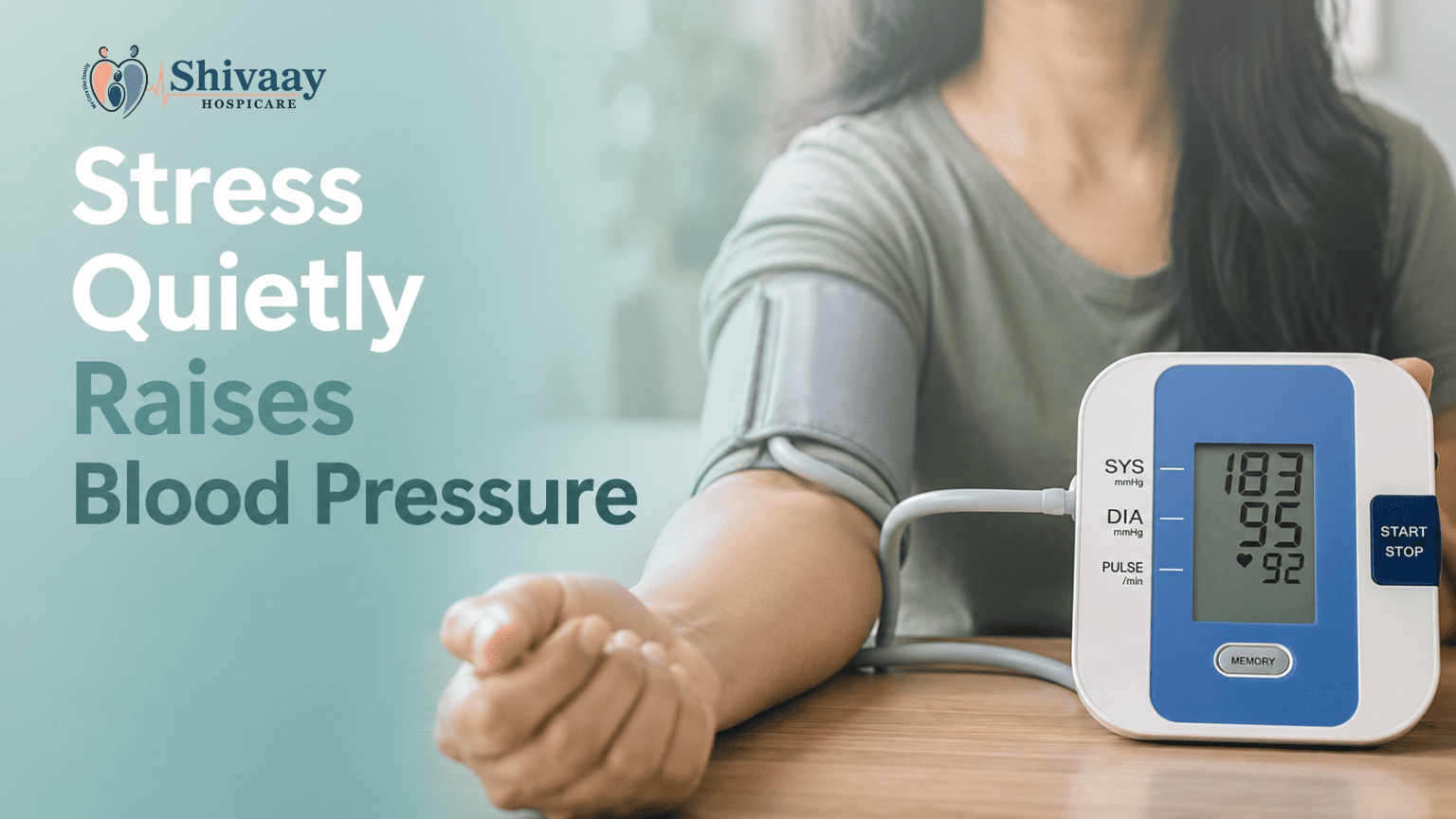
A calm mind supports a healthy heart. Managing stress today can protect your health for years to come. Modern life often brings deadlines, responsibilities, financial concerns, and personal challenges that contribute to ongoing stress. While occasional stress is a normal part of life, chronic stress can gradually affect your overall health. Over time, stress raises your blood pressure by placing extra strain on your heart and blood vessels. Understanding this connection can help you take proactive steps to protect your cardiovascular health before long-term complications develop.
According to the World Health Organization, managing lifestyle-related risk factors such as stress is an important part of preventing cardiovascular disease and promoting overall well-being.
How Stress Affects Blood Pressure
When you experience stress, your body releases hormones such as adrenaline and cortisol. These hormones temporarily increase heart rate and narrow blood vessels. Although this response is natural, repeated episodes mean stress raises your blood pressure more frequently, increasing the burden on your cardiovascular system over time.
The high blood pressure doctor in Vadodara recommends monitoring blood pressure regularly, particularly for individuals experiencing prolonged stress.
Symptoms of High Blood Pressure
High blood pressure is often called a “silent condition” because many people experience no noticeable symptoms. However, some individuals may develop symptoms of high blood pressure, including:
- Frequent headaches
- Dizziness
- Blurred vision
- Shortness of breath
- Nosebleeds (in some cases)
The best doctor in Vadodara explains that these symptoms usually appear when blood pressure becomes significantly elevated, making routine screening extremely important.
Everyday Habits That Increase Stress
Several lifestyle factors contribute to chronic stress, including:
- Long working hours
- Poor sleep quality
- Financial worries
- Lack of physical activity
- Unhealthy eating habits
- Excessive screen time
When these factors persist, stress raises your blood pressure repeatedly, increasing the risk of long-term heart disease.
The high blood pressure doctor in Vadodara encourages patients to identify personal stress triggers and develop healthy coping strategies.
Healthy Ways to Manage Stress
Reducing stress can help lower the impact on your cardiovascular system. Effective stress-management techniques include:
- Regular physical exercise
- Deep breathing exercises
- Meditation or mindfulness
- Maintaining a healthy sleep schedule
- Spending time with family and friends
- Limiting caffeine and tobacco use
The best doctor in Vadodara recommends incorporating these healthy habits into your daily routine to improve both mental and physical health.
Why Regular Blood Pressure Monitoring Matters
Because stress raises your blood pressure gradually, many individuals remain unaware that their readings are increasing. Routine blood pressure monitoring allows early detection and timely medical intervention before serious complications occur.
The high blood pressure doctor in Vadodara advises adults, especially those with family histories of hypertension, to schedule regular health check-ups.
Long-Term Health Risks
If left unmanaged, chronic high blood pressure can increase the risk of heart attack, stroke, kidney disease, and vision problems. Understanding how stress raises your blood pressure highlights the importance of addressing both emotional well-being and physical health together.
The best doctor in Vadodara believes that preventive healthcare combined with healthy lifestyle choices offers the best protection against hypertension.
Conclusion
Although stress is a common part of modern life, ignoring it can have lasting effects on your heart and overall health. Recognizing how stress raises your blood pressure allows you to make healthier lifestyle choices, monitor your health regularly, and seek timely medical care when needed. Shivaay Hospicare is committed to providing compassionate healthcare, preventive guidance, and expert medical support to help you maintain a healthy heart and a healthier future. Concerned about your blood pressure or ongoing stress? Contact our team today to schedule a consultation and receive personalised care and preventive guidance from Shivaay Hospicare.
FAQs
Why is hydration important for kids during outdoor sports?
Hydration helps maintain body temperature and energy levels and prevents dehydration-related health issues.
How often should children drink water while playing outside?
Children should drink water every 20 to 30 minutes during outdoor activities, especially in hot weather.
Can dehydration cause skin problems in kids?
Yes, excessive sweating and lack of hydration can lead to rashes, heat boils, and infections.
Is dehydration harmful to the kidneys in children?
Repeated dehydration may increase the risk of kidney stones and urinary infections over time.
What are the first signs of dehydration in kids?
Early signs include dark urine, dry lips, tiredness, headache, and less frequent urination.