Are Typhoid and Food Poisoning the Same? Understanding the Key Differences
It’s common to confuse typhoid and food poisoning because both are linked to contaminated food and water and can cause similar digestive symptoms. But here’s the truth, they are not the same. While they may look alike in the beginning, their causes, severity, and treatment are quite different.
Let’s break it down in a simple way.
What is Food Poisoning?
Food poisoning is a general term used for illnesses caused by consuming contaminated food or water. It can result from bacteria, viruses, or toxins. Common causes include E. coli, Salmonella, and Norovirus.
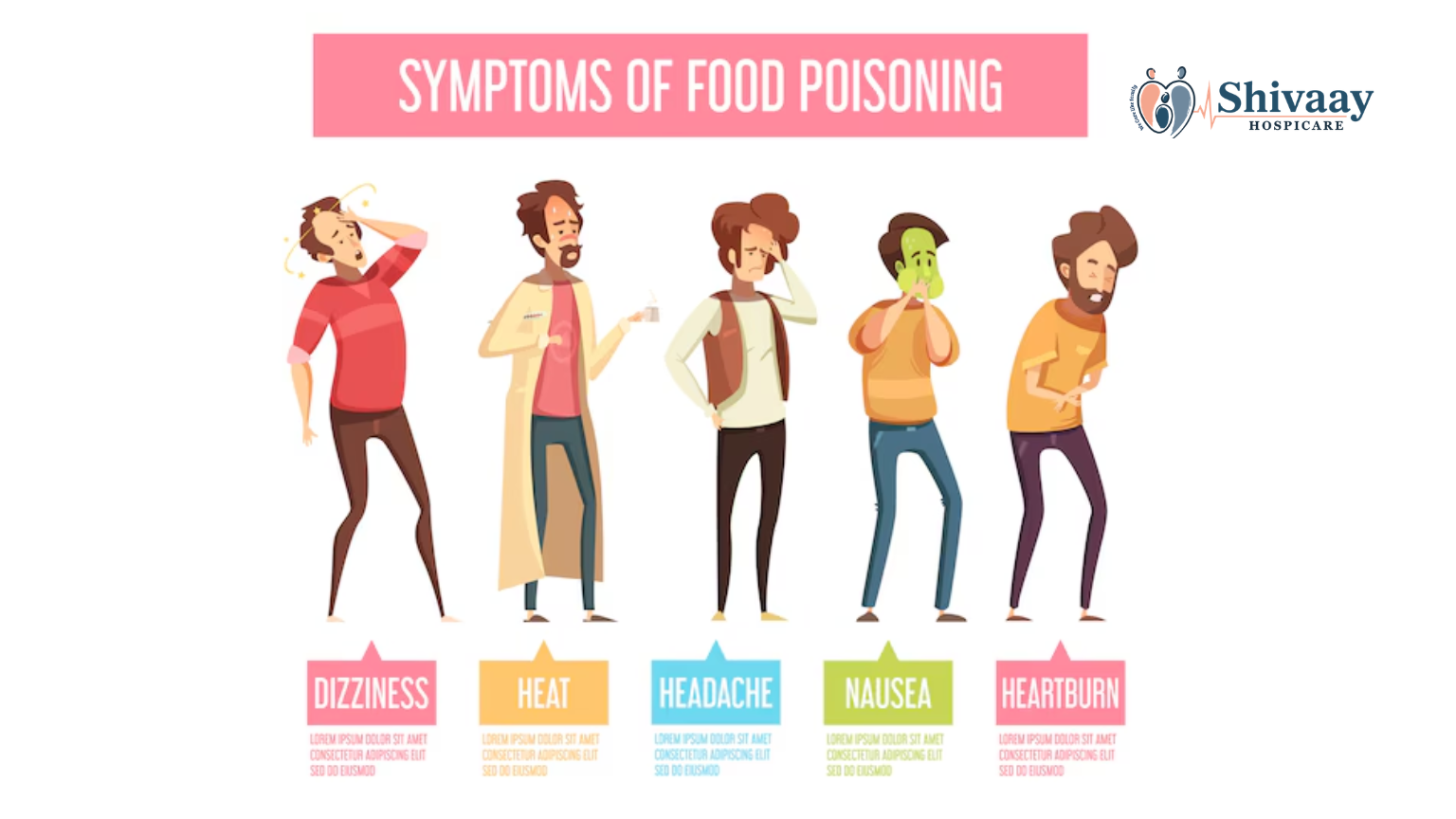
Symptoms usually appear quickly, often within a few hours of eating contaminated food.
Common symptoms include:
- Nausea and vomiting
- Diarrhoea
- Stomach cramps
- Mild fever
- Weakness
Most cases of food poisoning are mild and resolve within 1–3 days with proper hydration and rest.
What is typhoid?
Typhoid fever is a specific bacterial infection caused by Salmonella typhi. It spreads through contaminated food and water, especially in areas with poor sanitation.
Unlike food poisoning, typhoid is more serious and develops gradually over time.
Common symptoms include:
- Persistent high fever
- Weakness and fatigue
- Abdominal pain
- Loss of appetite
- Constipation or diarrhoea
- Headache
If left untreated, typhoid can lead to serious complications such as intestinal damage.
Key Differences Between Typhoid and Food Poisoning
Here’s where things become clearer:
- Cause: Food poisoning can be caused by various bacteria, viruses, or toxins, while typhoid is caused specifically by Salmonella typhi.
- Onset of Symptoms: Food poisoning symptoms appear quickly, often within hours. Typhoid symptoms develop slowly over several days.
- Severity: Food poisoning is usually mild and self-limiting. Typhoid is more serious and requires medical treatment.
- Duration: Food poisoning lasts a few days. Typhoid can last weeks if not treated properly.
- Treatment: Food poisoning often improves with fluids and rest, while typhoid requires antibiotics and medical supervision.
Why It’s Important to Know the Difference
Misunderstanding these conditions can delay proper treatment. For example, assuming typhoid is just food poisoning may lead to ignoring persistent fever, which can worsen the condition.
On the other hand, not all stomach infections need antibiotics, and unnecessary medication can do more harm than good.
When Should You See a Doctor?
You should consult a doctor if you experience:
- Fever lasting more than 2–3 days
- Severe weakness or dehydration
- Persistent vomiting or diarrhoea
- Blood in stool
- Symptoms that keep worsening
Early diagnosis helps in choosing the right treatment and prevents complications.
How to Prevent Both Conditions
Prevention is quite similar for both:
- Drink clean, filtered water
- Avoid eating from unhygienic places
- Wash your hands before meals
- Ensure food is properly cooked and stored
- Maintain good personal hygiene
Simple precautions can go a long way in protecting your health.
Expert Care Matters
Whether it’s food poisoning or typhoid, accurate diagnosis is key to effective treatment. At Shivaay Hospicare, patients receive thorough evaluation and personalized care for all types of infections.
Under the expert guidance of Dr. Reema Solanki Chauhan, patients benefit from evidence-based diagnosis and targeted treatment plans. If you or your loved one is experiencing persistent symptoms, seeking timely care at Shivaay Hospicare can help ensure a safe and complete recovery.
FAQs
Is typhoid the same as food poisoning?
No, typhoid and food poisoning are different. Typhoid is a specific bacterial infection, while food poisoning can be caused by various germs or toxins.
How can I tell if it is typhoid or food poisoning?
Food poisoning usually starts suddenly and improves in a few days, while typhoid develops slowly with persistent high fever and requires medical treatment.
What causes typhoid fever?
Typhoid is caused by the bacteria Salmonella typhi, usually spread through contaminated food and water.
Does food poisoning need antibiotics like typhoid?
Most food poisoning cases do not require antibiotics, but typhoid always needs proper medical treatment with antibiotics.
When should I see a doctor for typhoid or food poisoning?
Consult a doctor if you have a high fever, symptoms lasting more than a few days, dehydration, or a worsening condition.