
Why Seasonal Viral Infections Spread Faster During Weather Changes
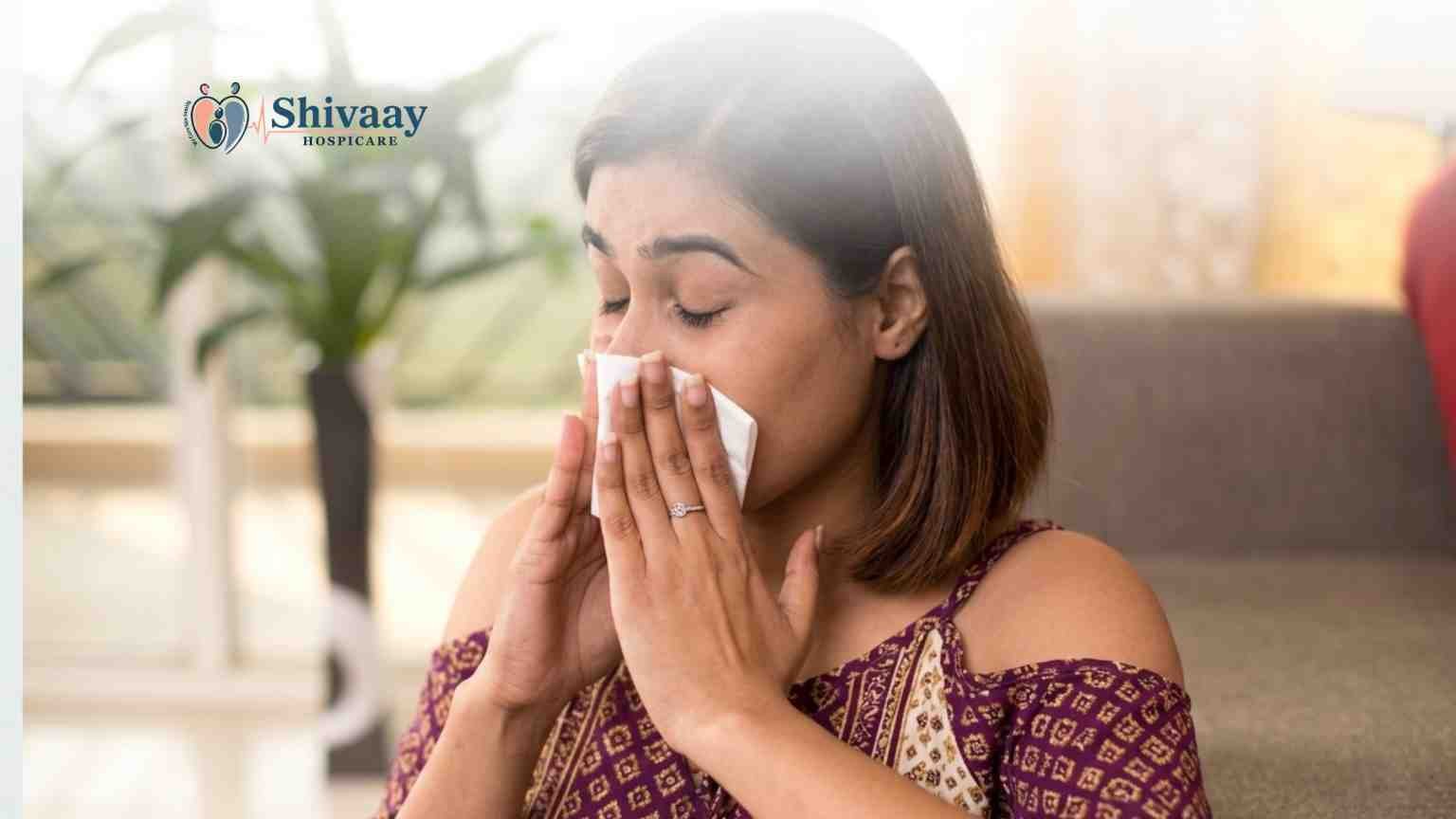
A sudden change in weather may feel harmless, but it often creates the perfect environment for infections to spread quickly. Changing weather conditions often bring a noticeable rise in cough, fever, cold, throat infections, allergies, and fatigue. The increase in temperature fluctuations, humidity, and environmental allergens weakens the body’s natural defence system, making people more vulnerable to illnesses.
According to the World Health Organisation, climate and seasonal variations significantly influence the spread of respiratory and viral illnesses across communities. During transitions between summer, monsoon, and winter, the risk of seasonal viral infections rises rapidly because viruses survive and spread more efficiently in changing environmental conditions.
How Weather Changes Increase Infection Risks
Frequent temperature shifts affect the body’s ability to adapt quickly. Sudden exposure to heat, rain, humidity, or cold air can weaken immunity and irritate the respiratory system. This is one of the main reasons why weather changes infections become more common during seasonal transitions.
Viruses spread more easily in crowded indoor spaces, humid conditions, and poorly ventilated environments. Consulting the best consultant physician in Vadodara can help individuals understand preventive measures and identify symptoms before infections become severe.
Weak Immunity During Seasonal Transitions
The immune system often becomes more vulnerable when the body struggles to adjust to weather fluctuations. Poor hydration, irregular sleep, unhealthy eating habits, and stress can further reduce immunity, increasing the chances of developing seasonal viral infections.
Children, elderly individuals, and people with chronic conditions are usually more sensitive to these changes. The best allergy doctor in Vadodara often advises maintaining strong immunity through proper nutrition, hydration, hygiene, and regular health monitoring during changing seasons.
Respiratory Problems and Allergic Reactions
Weather transitions not only increase viral illnesses but also trigger allergies and respiratory discomfort. Dust, pollen, moisture, and fungal growth become more active during seasonal changes, affecting people with allergies and asthma.
In many cases, weather changes infections may begin with symptoms such as sneezing, throat irritation, congestion, headaches, or breathing discomfort. Guidance from the best consultant physician in Vadodara helps patients differentiate between allergies, viral infections, and respiratory conditions for proper treatment.
Monsoon Conditions and Skin Allergies
The monsoon season creates excessive humidity and dampness, which encourages bacterial and fungal growth. This can lead to itching, rashes, fungal infections, and skin allergy in monsoon conditions, especially in individuals with sensitive skin.
The best allergy doctor in Vadodara often recommends maintaining personal hygiene, wearing dry clothing, and avoiding prolonged exposure to moisture to reduce the risk of seasonal skin and respiratory issues.
Preventive Measures to Reduce Viral Infections
Simple preventive habits can significantly lower the chances of developing seasonal viral infections. Regular hand washing, avoiding crowded places during outbreaks, eating nutritious food, staying hydrated, and getting proper sleep help strengthen immunity.
Medical experts also recommend avoiding sudden exposure to extreme temperatures and maintaining indoor cleanliness to reduce allergens and infection risks. Timely medical consultation becomes important if symptoms such as persistent fever, cough, breathing difficulty, or fatigue continue for several days.
Conclusion
Seasonal weather changes create favourable conditions for infections, allergies, and immune system challenges. Understanding how weather changes infections spread can help individuals take preventive measures and maintain better health throughout the year. Shivaay Hospicare remains committed to providing patient-focused healthcare, preventive guidance, and timely medical support for managing seasonal illnesses and improving overall wellness.
FAQs
Why is hydration important for kids during outdoor sports?
Hydration helps maintain body temperature and energy levels and prevents dehydration-related health issues.
How often should children drink water while playing outside?
Children should drink water every 20 to 30 minutes during outdoor activities, especially in hot weather.
Can dehydration cause skin problems in kids?
Yes, excessive sweating and lack of hydration can lead to rashes, heat boils, and infections.
Is dehydration harmful to the kidneys in children?
Repeated dehydration may increase the risk of kidney stones and urinary infections over time.
What are the first signs of dehydration in kids?
Early signs include dark urine, dry lips, tiredness, headache, and less frequent urination.