
Winter Skin Infections: Why Dry and Cracked Skin Can Lead to Problems
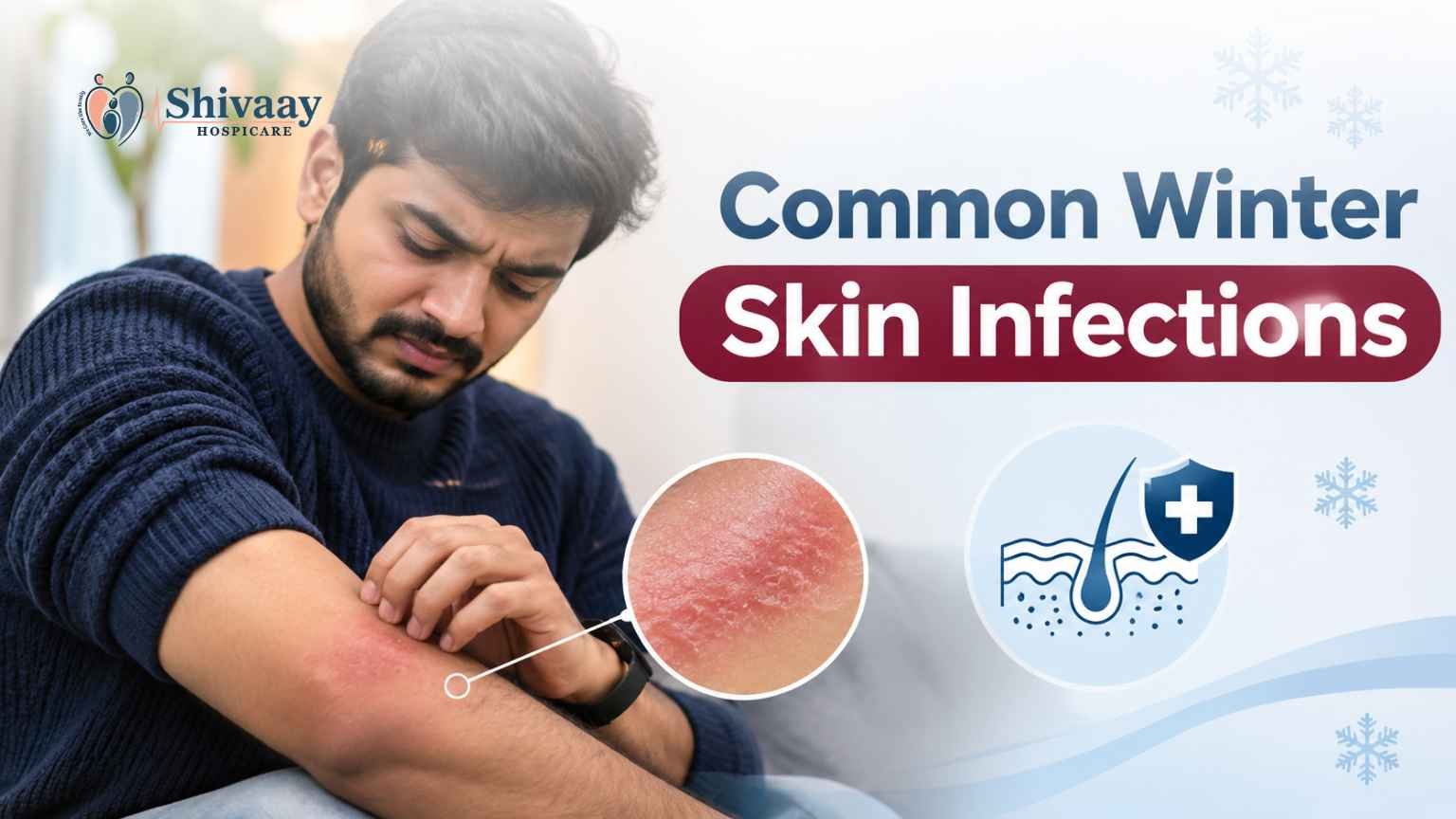
Healthy skin is your first line of defence. Protect it before winter takes its toll.
Cold weather can leave your skin dry, rough, and more sensitive than usual. Low humidity, cold winds, and frequent hot showers can weaken the skin’s natural protective barrier. When the skin becomes dry and cracked, germs can enter more easily, increasing the risk of winter skin infections. Understanding the causes and taking preventive steps can help keep your skin healthy throughout the season.
Why Does Skin Become Dry and Cracked During Winter?
Winter conditions reduce moisture in the skin, making it more likely to become flaky, itchy, and irritated. Common contributing factors include:
- Low humidity: Dry air removes moisture from the skin.
- Hot showers: Excessively hot water can strip away natural oils.
- Harsh soaps: Strong cleansers may damage the skin barrier.
- Insufficient moisturising: Not using moisturiser regularly can worsen dryness.
- Cold winds: Outdoor exposure can increase irritation and skin discomfort.
A female doctor in Vadodara can help identify the reasons behind persistent dryness and recommend suitable skincare measures.
How Can Cracked Skin Lead to Winter Skin Infections?
Healthy skin acts as a protective barrier against bacteria and other microorganisms. When dryness causes cracks or small openings, germs can enter and sometimes cause infections.
Watch for symptoms such as redness, swelling, tenderness, warmth, pus, or increasing pain. These signs may indicate an infection that needs medical evaluation.
A female doctor in Vadodara can assess affected areas and recommend appropriate skin allergy treatment in Vadodara when symptoms are related to allergies or irritation.
Common Skin Problems That Become Worse in Winter
Several skin conditions can become more noticeable during colder months. These include:
- Eczema: Dryness and itching may increase, sometimes causing cracked skin.
- Contact dermatitis: Certain soaps, detergents, and skincare products can trigger irritation.
- Fungal infections: Moist areas, including skin folds, may develop fungal infections.
- Bacterial infections: Cracked skin can provide an entry point for bacteria.
If you notice recurring irritation or unusual skin changes, a female doctor in Vadodara can help identify the underlying condition and guide appropriate skin allergy treatment in Vadodara.
How to Prevent Dry and Cracked Skin During Winter
A consistent skincare routine can help maintain the skin barrier and reduce irritation.
- Moisturise regularly: Apply a fragrance-free moisturiser after bathing and whenever your skin feels dry.
- Use lukewarm water: Avoid long, hot showers.
- Choose gentle cleansers: Use mild products that do not strip natural oils.
- Stay hydrated: Drink enough water throughout the day.
- Protect exposed skin: Wear gloves and suitable clothing when going outdoors.
- Avoid scratching: Scratching can worsen skin damage and increase infection risk.
For recurring itching, redness, or irritation, professional skin allergy treatment in Vadodara can help address the cause rather than simply managing discomfort.
When Should You Consult a Doctor?
Mild winter dryness may improve with regular moisturising and gentle skincare. However, consult a healthcare professional if you experience persistent itching, painful cracks, spreading redness, swelling, discharge, or skin changes that do not improve.
A female doctor in Vadodara can examine your skin and recommend suitable skin allergy treatment in Vadodara based on your symptoms. Seek prompt medical attention if you notice fever alongside a spreading, painful, or swollen skin area, as this may indicate a more serious infection.
Protect Your Skin This Winter with Shivaay Hospicare
Winter skin infections can often be prevented by maintaining skin hydration, avoiding harsh products, and treating irritation early. Dry and cracked skin should not be ignored, especially when it becomes painful or shows signs of infection. Shivaay Hospicare encourages patients to prioritise skin health and seek appropriate medical guidance when symptoms persist.
If you are experiencing recurring dryness, itching, or skin infections, visit our Contact Us page to schedule a consultation with Shivaay Hospicare.
FAQs
Why is hydration important for kids during outdoor sports?
Hydration helps maintain body temperature and energy levels and prevents dehydration-related health issues.
How often should children drink water while playing outside?
Children should drink water every 20 to 30 minutes during outdoor activities, especially in hot weather.
Can dehydration cause skin problems in kids?
Yes, excessive sweating and lack of hydration can lead to rashes, heat boils, and infections.
Is dehydration harmful to the kidneys in children?
Repeated dehydration may increase the risk of kidney stones and urinary infections over time.
What are the first signs of dehydration in kids?
Early signs include dark urine, dry lips, tiredness, headache, and less frequent urination.