
World Malaria Day 2026 brings a complete guide to symptoms, prevention, and treatment
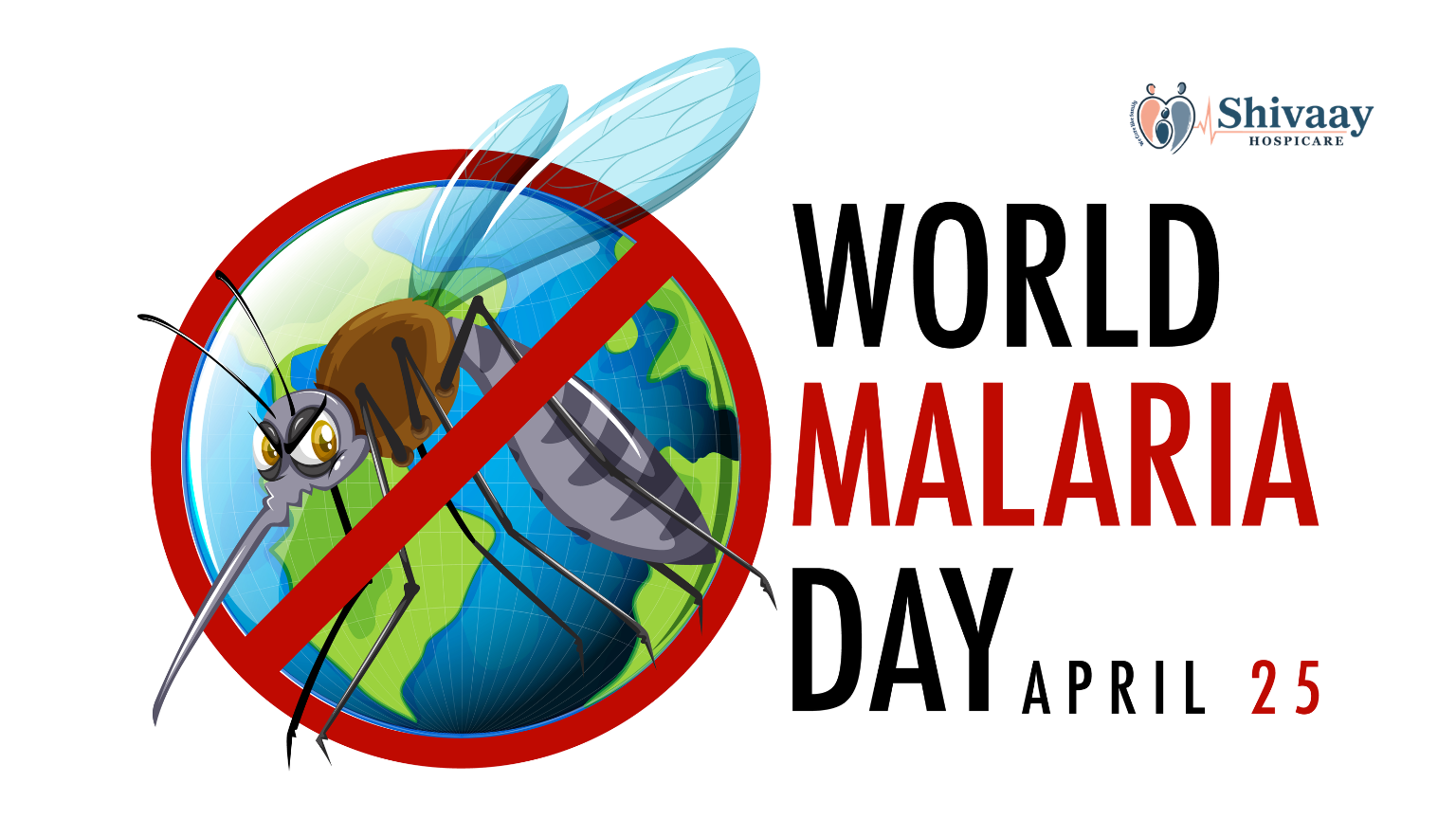
Every year on April 25, World Malaria Day highlights a disease that still affects millions across India. According to the World Health Organization, over 240 million cases are reported globally each year. In India, the risk increases during the monsoon due to water stagnation. The real concern is not just infection but delayed diagnosis that leads to complications.
World Malaria Day 2026 Theme and Its Importance
The theme for World Malaria Day 2026 is Driven to End Malaria Now. “We Can. Now We Must.” This message highlights that malaria elimination is no longer a distant goal but an achievable reality with the help of new vaccines, improved diagnostic tools, and stronger public health strategies. The World Health Organization emphasizes increased investment, early detection, and community awareness as key factors in reducing malaria cases in high-risk regions like India. What this really means is that timely action at both individual and healthcare levels can significantly lower the disease burden and prevent avoidable complications.
What is malaria?
Malaria is a mosquito-borne disease caused by Plasmodium parasites. It spreads through the bite of an infected female Anopheles mosquito, most active during night hours. Poor sanitation, stagnant water, and humid conditions increase transmission risk in both urban and rural areas.
Malaria Symptoms You Should Notice Early
Malaria symptoms often resemble those of viral fever, leading to confusion and delays. Common signs include high fever with chills, sweating, headache, body pain, and fatigue. Some patients may also experience nausea or vomiting. In severe cases, malaria can affect vital organs such as the brain and kidneys, making early identification critical.
Why Early Malaria Diagnosis Matters
Early detection plays a key role in recovery. A simple blood test can confirm malaria within minutes. Timely treatment reduces the risk of severe complications and hospitalization. Delayed care may lead to severe malaria, which can become life-threatening if not managed properly.
Malaria Prevention Tips for Daily Life
Prevention remains the most effective defense against malaria. Use mosquito nets while sleeping. Apply mosquito repellents to exposed skin. Avoid water stagnation around your home. Wear full-sleeved clothing during evening hours. Maintain cleanliness in the surroundings to reduce mosquito breeding.
Malaria Risk in India
India has significantly reduced malaria cases over the years, yet certain regions still experience seasonal outbreaks. Areas with poor drainage and sanitation remain vulnerable. Public awareness and community participation continue to play an important role in controlling the spread.
When to Consult a Doctor
Fever with chills lasting more than one day should never be ignored. Early medical consultation helps in accurate diagnosis and faster recovery. High-risk groups such as children, pregnant women, and elderly individuals require immediate attention.
Take Action This World Malaria Day
Malaria is preventable and treatable when addressed on time. Awareness, early diagnosis, and simple precautions can protect lives.
If you or your family notices symptoms of malaria, do not delay medical care. Consult Dr. Reema Solanki Chauhan for timely diagnosis, personalized treatment, and trusted medical guidance to stay protected this season.
FAQs
What are the early symptoms of malaria in the current season?
Early symptoms of malaria usually start with sudden fever, chills, sweating, headache, and body pain. During seasonal changes, these symptoms are often mistaken for viral fever, which delays diagnosis
How do I know if my fever is malaria or viral?
Malaria fever often comes with chills followed by sweating and may occur in cycles. A blood test is the only reliable way to confirm malaria and should be done if the fever lasts more than 24 to 48 hours
What is the fastest treatment for malaria?
Malaria is treated with antimalarial medicines such as ACT therapy, which starts working within one to three days. Early diagnosis helps in faster recovery and prevents complications
Is malaria common during the summer in India?
Malaria risk begins in summer but increases during the monsoon due to mosquito breeding in stagnant water. Preventive steps should start early, before the rainy season
Can malaria go away on its own without treatment?
Malaria does not go away on its own and can become severe if untreated. It may affect vital organs and require proper medical treatment after diagnosis
When should I see a doctor for malaria symptoms?
You should consult a doctor if you have a fever with chills for more than one day, weakness, vomiting, or if symptoms are worsening, especially in children, elderly people, or pregnant women.