World Stroke Day (October 29, 2026): Recognize a Stroke Fast with BE-FAST
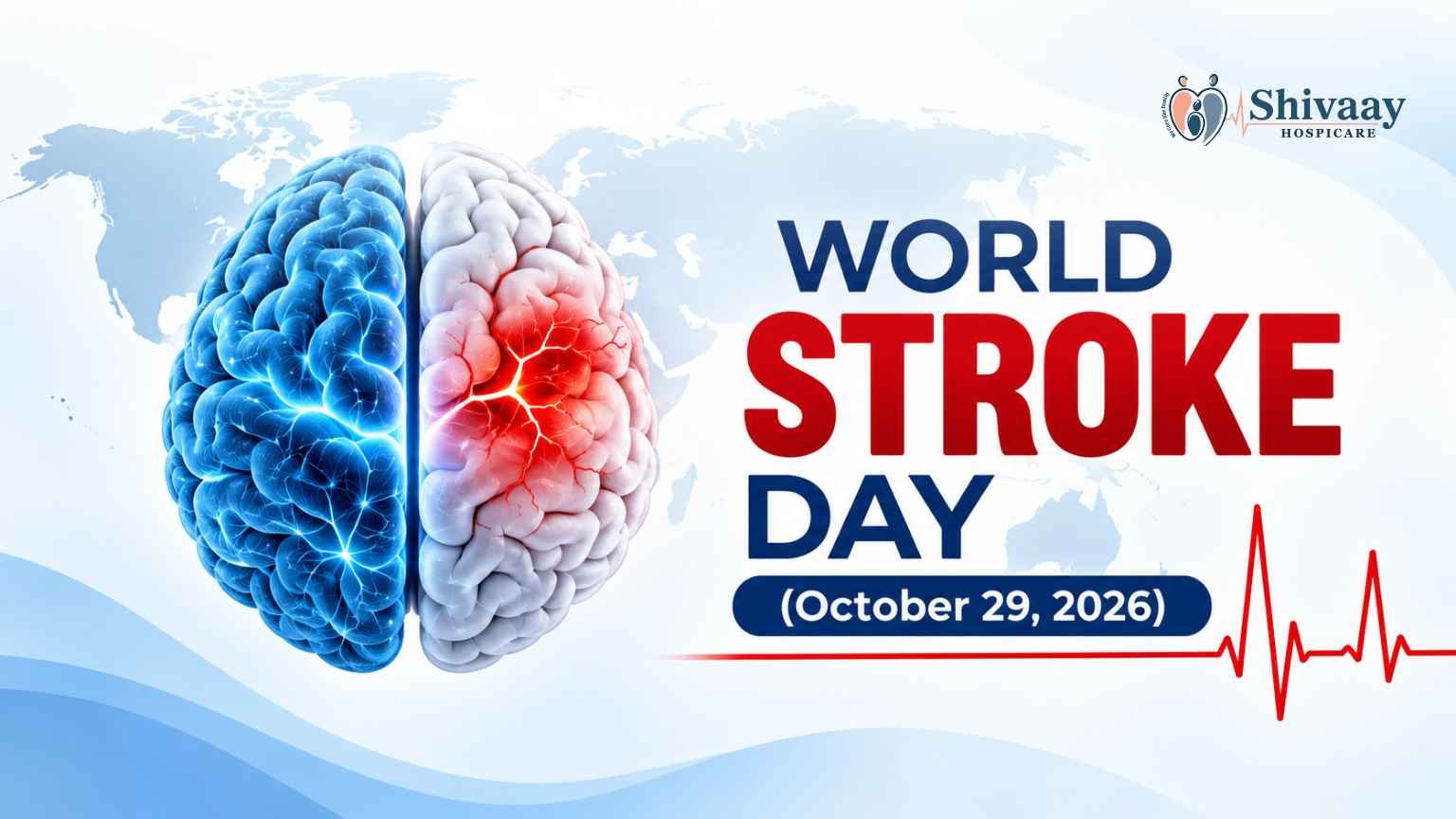
Every second matters when a stroke strikes. Recognize the signs, act fast, and protect a life. World Stroke Day on October 29, 2026, highlights the importance of recognizing stroke symptoms early and seeking emergency medical care. A stroke occurs when blood flow to part of the brain is interrupted or when a blood vessel in the brain ruptures. Quick action can help reduce brain damage and improve the chances of recovery.
What Is the BE-FAST Method for Stroke Recognition?
The BE-FAST method helps people identify common stroke warning signs quickly.
- B – Balance: Sudden dizziness, loss of balance, or difficulty walking.
- E – Eyes: Sudden blurred vision, double vision, or loss of vision.
- F – Face: One side of the face droops when smiling.
- A – Arms: One arm feels weak or drifts downward when both arms are raised.
- S – Speech: Speech becomes slurred, unclear, or difficult to understand.
- T – Time: Call emergency services immediately if any of these signs appear.
Do not wait for symptoms to disappear. Even if the symptoms improve after a few minutes, urgent medical assessment is essential.
Why Is Immediate Stroke Treatment Important?
A stroke can damage brain cells rapidly, making timely treatment critical. Early hospital care allows medical professionals to determine the type of stroke and assess appropriate treatment options. The best consultant physician in Vadodara can help explain stroke risk factors and the importance of preventive care, but suspected stroke symptoms always require emergency attention rather than a routine appointment.
Who Is at Higher Risk of Stroke?
Several factors can increase the risk of stroke, including:
- High blood pressure
- Diabetes
- High cholesterol
- Smoking
- Obesity and physical inactivity
- Certain heart conditions, including atrial fibrillation
- Previous stroke or transient ischemic attack
Consulting the best cardiologist in Vadodara may be helpful for people with heart conditions that increase stroke risk. Regular health checks can help identify and manage important risk factors.
How Can You Reduce Your Stroke Risk?
Healthy daily habits can help lower the risk of stroke and support overall cardiovascular health.
- Monitor blood pressure, blood sugar, and cholesterol.
- Follow prescribed medication plans.
- Eat a balanced diet with vegetables, fruits, and whole grains.
- Exercise regularly according to your ability and medical advice.
- Avoid tobacco and limit alcohol consumption.
- Attend routine medical check-ups.
The best doctors in Vadodara can guide patients on managing their individual risk factors and maintaining healthier routines. People with existing heart conditions should discuss suitable prevention strategies with their healthcare team.
When Should You Seek Medical Help?
Sudden weakness, facial drooping, difficulty speaking, vision changes, or unexplained loss of balance may indicate a stroke. Call emergency services immediately if these symptoms occur. Do not drive yourself or wait for a regular consultation. The best consultant physician in Vadodara can support follow-up care and long-term risk management after emergency assessment and treatment.
Raise Awareness with Shivaay Hospicare
World Stroke Day reminds us that recognizing warning signs and acting without delay can save lives. Learning BE-FAST, managing risk factors, and spreading awareness can help protect families and communities. The best cardiologist in Vadodara, the best consultant physician in Vadodara, and the best doctors in Vadodara can support preventive care and recovery planning when appropriate. Shivaay Hospicare encourages everyone to take stroke symptoms seriously and prioritise timely medical attention.
For preventive healthcare guidance or a consultation, visit the Contact Us page of Shivaay Hospicare.
FAQs
Why is hydration important for kids during outdoor sports?
Hydration helps maintain body temperature and energy levels and prevents dehydration-related health issues.
How often should children drink water while playing outside?
Children should drink water every 20 to 30 minutes during outdoor activities, especially in hot weather.
Can dehydration cause skin problems in kids?
Yes, excessive sweating and lack of hydration can lead to rashes, heat boils, and infections.
Is dehydration harmful to the kidneys in children?
Repeated dehydration may increase the risk of kidney stones and urinary infections over time.
What are the first signs of dehydration in kids?
Early signs include dark urine, dry lips, tiredness, headache, and less frequent urination.