
IV Drip for Weakness: When Does Your Body Actually Need It?
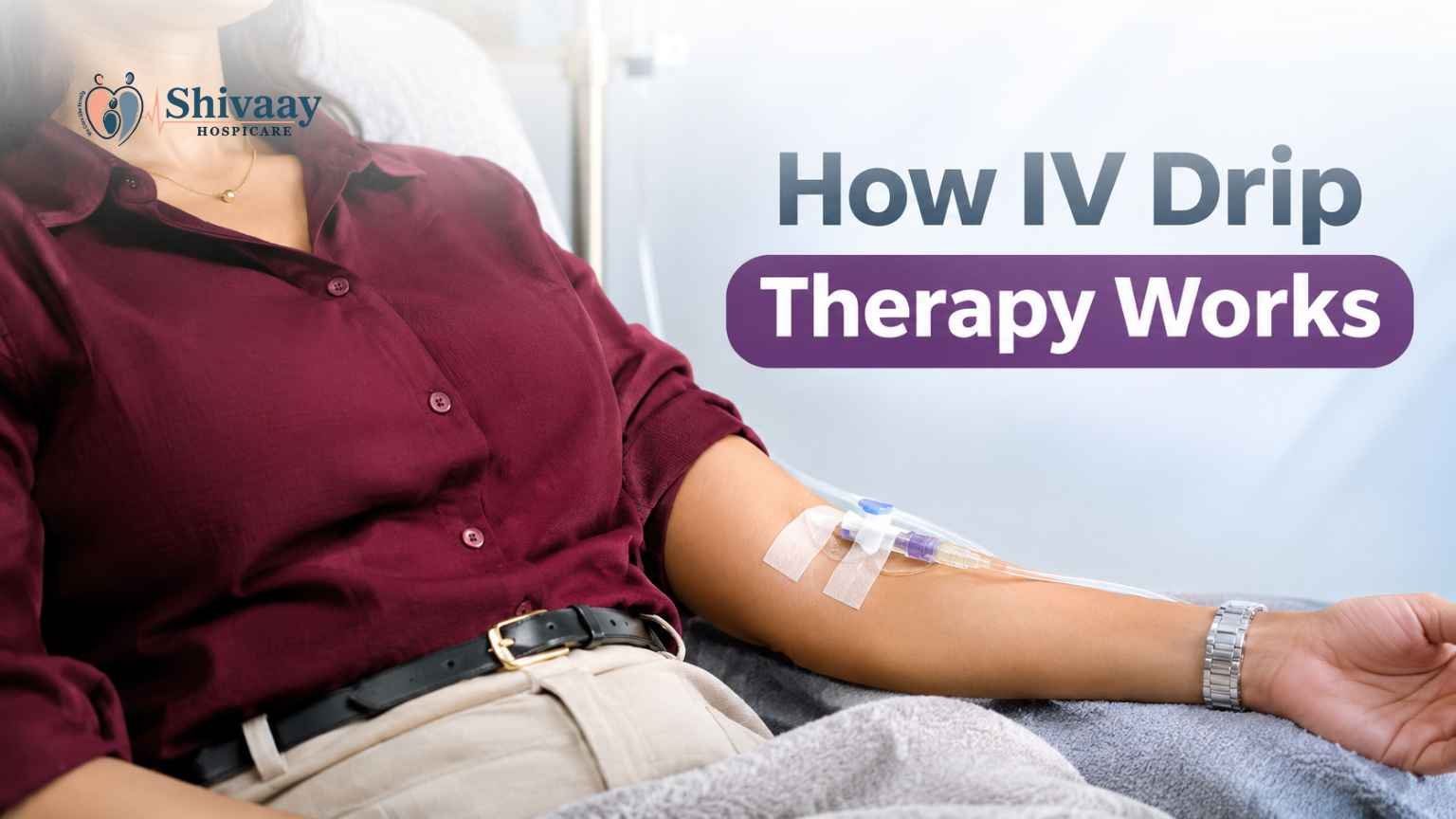
When your energy runs low, understanding the cause matters more than seeking a quick fix.
Feeling tired, dehydrated, or physically weak can affect your everyday activities. IV drips are sometimes promoted as a quick way to restore energy, but they are not necessary for every episode of weakness. An intravenous (IV) drip delivers fluids or prescribed nutrients directly into the bloodstream. Whether you actually need one depends on your symptoms, medical history, and the underlying cause of your weakness.
What Is an IV Drip and How Does It Work?
An IV drip delivers fluids, electrolytes, or specific medications through a vein. Doctors may recommend intravenous fluids when someone cannot drink enough fluids or needs rapid fluid replacement.
IV therapy may be considered in situations such as:
- Significant dehydration due to vomiting or diarrhoea
- Inability to keep fluids down
- Certain electrolyte imbalances
- Medical conditions requiring intravenous medication or fluids
A consultant physician in Vadodara can assess your condition and determine whether oral hydration, medical treatment, or IV fluids are appropriate.
Common Reasons You May Feel Weak
Weakness does not always mean your body needs an IV drip. Several health and lifestyle factors can contribute to low energy, including:
- Dehydration or inadequate fluid intake
- Iron, vitamin B12, or other nutritional deficiencies
- Low blood sugar
- Poor sleep or excessive physical activity
- Thyroid disorders
- Infections or ongoing medical conditions
A lady physician in Vadodara can review your symptoms and medical history to identify possible causes. Depending on your condition, blood tests or other investigations may be recommended.
When Does Your Body Actually Need an IV Drip?
IV fluids are generally used when oral hydration is insufficient or when a medical condition requires treatment through a vein. For example, severe dehydration may need hospital-based fluid replacement and monitoring.
Signs of significant dehydration can include:
- Very little or dark-coloured urine
- Dizziness or fainting
- Dry mouth and extreme thirst
- Rapid heartbeat
- Unusual drowsiness or confusion
A consultant physician in Vadodara can assess the severity of dehydration and decide whether IV fluids are necessary. Severe confusion, fainting, or inability to keep fluids down requires prompt medical attention.
Can Weakness Be Related to Diet and Digestive Problems?
Your eating habits can influence your energy levels. Irregular meals, inadequate nutrition, and insufficient fluid intake may contribute to tiredness. Even seasonal eating habits can affect food choices and overall nutritional balance.
Persistent digestive complaints should also be evaluated. For example, constant bloating after meals may be associated with digestive conditions that affect your comfort and eating patterns.
A lady physician in Vadodara can help assess these concerns and recommend appropriate dietary changes or further investigations.
IV Drips vs Oral Hydration: Which Is Better?
For mild dehydration, drinking water and appropriate oral rehydration solutions is often sufficient. IV fluids are not automatically better and should only be used when medically indicated.
- Oral hydration: Suitable for many mild dehydration cases and can support gradual fluid replacement at home when appropriate.
- IV drips: Used when oral fluids are insufficient or unsuitable. They deliver fluids directly into the bloodstream and require trained medical supervision.
A consultant physician in Vadodara can recommend the safest option based on your symptoms and hydration status.
Is It Safe to Get an IV Drip for Energy?
Getting an IV drip simply to feel energetic is not necessary for most healthy individuals. Unnecessary IV therapy can cause complications, including infection, vein inflammation, fluid overload, and electrolyte disturbances.
A lady physician in Vadodara can help determine whether your weakness is related to dehydration, nutritional deficiencies, or another medical concern. Treatment should address the actual cause rather than relying on unnecessary infusions.
Get the Right Medical Guidance at Shivaay Hospicare
IV drips can be useful in specific medical situations, particularly when significant dehydration requires intravenous fluid replacement. However, weakness alone does not mean you need an IV drip. Identifying the underlying cause and choosing appropriate treatment are essential. Shivaay Hospicare encourages patients to seek professional medical advice before opting for IV therapy.
If you are experiencing persistent weakness, dehydration, or unexplained fatigue, visit our Contact Us page to schedule a consultation with a consultant physician in Vadodara.
FAQs
Why is hydration important for kids during outdoor sports?
Hydration helps maintain body temperature and energy levels and prevents dehydration-related health issues.
How often should children drink water while playing outside?
Children should drink water every 20 to 30 minutes during outdoor activities, especially in hot weather.
Can dehydration cause skin problems in kids?
Yes, excessive sweating and lack of hydration can lead to rashes, heat boils, and infections.
Is dehydration harmful to the kidneys in children?
Repeated dehydration may increase the risk of kidney stones and urinary infections over time.
What are the first signs of dehydration in kids?
Early signs include dark urine, dry lips, tiredness, headache, and less frequent urination.