
Clinical Management of Lower Respiratory Tract Infection in a 48-Year-Old Male
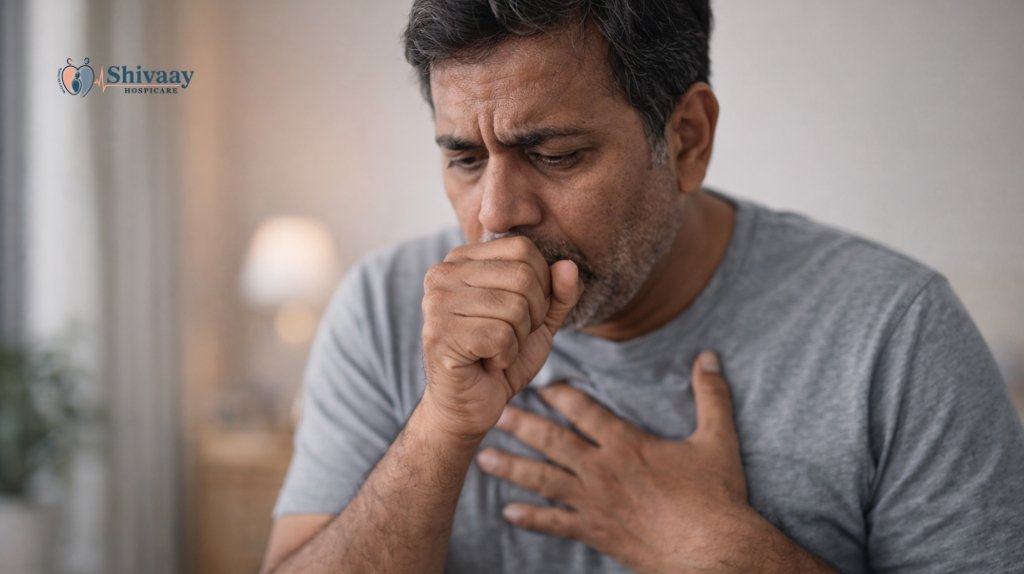
Lower respiratory tract infections (LRTIs) affect the airways and lungs, and are a common cause of illness in adults. These infections can range from mild bronchitis to more serious conditions like pneumonia.
Patients usually present with symptoms such as cough, fever, breathlessness, and sputum production. If not treated in time, the infection can worsen and lead to complications, especially in individuals with risk factors like smoking.
Early diagnosis and timely medical treatment play a key role in ensuring faster recovery and preventing serious outcomes.
Patient Information
- Age/Sex: 48-year-old male
Chief Complaints:
- Fever for 5 days
- Productive cough with yellowish sputum
- Shortness of breath on exertion
- Fatigue
Medical History:
- Chronic smoker (15 pack-years)
- No history of diabetes or hypertension
Occupational History:
- Office-based job
Clinical Presentation
The patient presented with symptoms that had gradually worsened over a few days. He reported:
- Fever reaching up to 101.5°F
- Persistent cough with thick, yellow sputum
- Mild chest discomfort, especially while coughing
- Reduced ability to perform routine physical activities
There was no history of coughing up blood (hemoptysis).
Clinical Examination
On examination, the following observations were made:
- Temperature: 101°F
- Pulse Rate: 96 beats per minute
- Respiratory Rate: 22 breaths per minute
- Oxygen Saturation: 94% on room air
Chest Examination:
- Coarse crackling sounds (crepitations) in the right lower lung area
- Mild bronchial breath sounds
These findings suggested involvement of the lower part of the right lung.
Diagnostic Assessment
Further investigations were carried out to confirm the diagnosis:
- Complete Blood Count (CBC): Elevated white blood cell count (14,500/mm³)
- C-Reactive Protein (CRP): Elevated, indicating inflammation
- Chest X-ray: Consolidation in the right lower lobe of the lung
- Sputum Culture: Sent for analysis (results awaited at admission)
Diagnosis:
Community-acquired lower respiratory tract infection, likely pneumonia.
Therapeutic Intervention
A comprehensive treatment plan was initiated to manage both the infection and symptoms.
1. Antimicrobial Therapy
- Started on empirical broad-spectrum antibiotics based on clinical guidelines
- Antibiotics were later adjusted according to culture sensitivity results
2. Supportive Management
- Medications to reduce fever (antipyretics)
- Nebulization with bronchodilators to ease breathing
- Adequate fluid intake to maintain hydration
- Mucolytic agents to help clear mucus
- Counseling for smoking cessation
3. Monitoring
- Regular monitoring of vital signs
- Continuous assessment of oxygen levels
- Repeat blood tests to track improvement
Follow-Up and Outcomes
After 72 Hours:
- Fever subsided
- Decrease in sputum production
- Breathing became easier
- Oxygen saturation improved to 97%
At 7 Days:
- Significant overall improvement
- White blood cell count returned to normal
- Most symptoms resolved
At 2 Weeks:
- Follow-up chest X-ray showed healing of the lung infection
- Patient resumed normal daily activities
No complications such as fluid accumulation in the lungs or respiratory failure were observed.
Discussion
Lower respiratory infections are commonly caused by bacteria such as Streptococcus pneumoniae and Haemophilus influenzae. Smoking is a major contributing factor, as it damages the natural defense system of the lungs.
In this case, early initiation of antibiotics helped control the infection quickly. Supportive care improved comfort and breathing, while close monitoring ensured that the patient responded well to treatment.
An important part of long-term recovery is addressing risk factors. Smoking cessation is essential to prevent future infections and protect lung health.
Conclusion
This case demonstrates how timely diagnosis and appropriate treatment can lead to complete recovery from a lower respiratory tract infection.
With the right combination of antibiotics, supportive care, and monitoring, the patient recovered without complications. Equally important is the need for lifestyle changes, especially quitting smoking, to reduce the risk of recurrence and maintain overall respiratory health.
Note: This case study is for illustrative purposes only and should not replace professional medical advice. If you have concerns about your health, please consult with a qualified healthcare provider.
Recent case studies.