Adjunctive Intravenous Glutathione Therapy for Post–Total Knee Replacement Weakness in a 55-Year-Old Male
Introduction
Total Knee Replacement (TKR) is a common and effective surgery for advanced osteoarthritis. While pain relief is often significant after surgery, many patients experience weakness, low energy levels, and reduced stamina during the early recovery phase.
This weakness can be due to surgical stress, inflammation, oxidative stress, reduced mobility, and the body’s increased metabolic demand after surgery. Physiotherapy plays a key role in recovery, but in some cases, supportive therapies may be considered to enhance strength and overall well-being.
Patient Information
- Age/Sex: 55-year-old male
- Primary Diagnosis: Advanced osteoarthritis of the right knee
- Procedure Performed: Right Total Knee Replacement
- Medical History: No history of diabetes, hypertension, thyroid disorder, or heart disease
- Lifestyle History: Non-smoker, moderately active before surgery
The patient had been physically active before surgery and was otherwise healthy.
Clinical Presentation
At 4 weeks after surgery, during the rehabilitation phase, the patient reported:
- Persistent generalized weakness
- Feeling tired easily
- Reduced stamina during physiotherapy sessions
- Mild heaviness in thigh muscles
Importantly:
- Surgical pain was minimal and well-controlled
- There were no signs of infection
- No fever or other systemic symptoms were present
Despite satisfactory surgical healing, his energy levels were not improving as expected, which affected his rehabilitation progress.
Clinical Findings
On examination:
- Vital signs: Stable
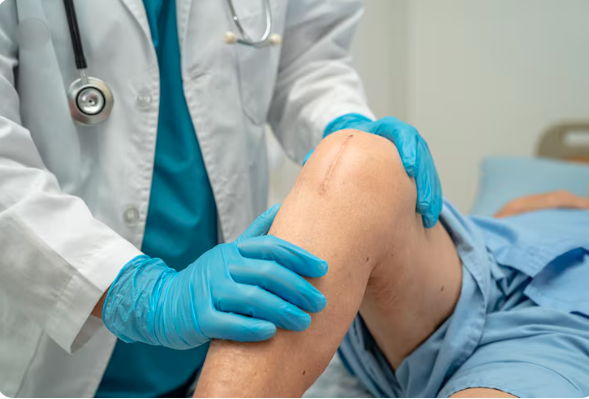
- Surgical site: Well healed, no redness or discharge
- Quadriceps muscle strength: Grade 4/5
- Range of motion: Improving as per the normal recovery timeline
- Neurological examination: Normal
Overall, the surgical outcome was satisfactory, but muscle strength and endurance were below expected levels for this stage.
Diagnostic Assessment
To identify possible causes of weakness, laboratory tests were performed:
- Hemoglobin: 13.2 g/dL (normal)
- Complete blood count: Within normal limits
- Thyroid profile: Normal
- Serum electrolytes: Normal
- C-reactive protein (CRP): Mild postoperative elevation
- Liver and renal function tests: Normal
No metabolic, hormonal, or systemic cause for persistent weakness was identified.
This suggested that the fatigue was likely related to postoperative inflammatory response and recovery-related oxidative stress rather than an underlying disease.
Therapeutic Intervention
Considering the patient’s ongoing fatigue and reduced rehabilitation tolerance, adjunctive IV wellness therapy was initiated alongside physiotherapy.
The therapy included:
- IV Glutathione 600 mg
- Vitamin C 1 gram
- B-complex vitamins
- Intravenous hydration
The therapy was administered once weekly for 4 weeks, while continuing structured physiotherapy.
The goal was to support recovery, reduce oxidative stress, and potentially improve energy levels and muscle performance.
Follow-Up and Outcomes
After Two Sessions
The patient reported:
- Noticeable improvement in energy levels
- Reduced fatigue
- Better ability to complete physiotherapy sessions
After Completion of Four Sessions
At the end of 4 weeks:
- Quadriceps strength improved to Grade 5/5
- Walking endurance increased
- Greater participation and confidence during rehabilitation
- Subjective improvement in overall well-being
No adverse reactions or side effects were observed during the treatment period.
The patient was able to continue rehabilitation more effectively and reported feeling physically stronger and more energetic.
Discussion
Postoperative weakness after total knee replacement may be linked to:
- Surgical inflammatory response
- Increased oxidative stress
- Temporary mitochondrial dysfunction
- Reduced physical conditioning during recovery
Glutathione is a powerful antioxidant naturally produced in the body. It plays an important role in protecting cells from oxidative stress and supporting cellular metabolism.
Intravenous administration allows direct delivery into the bloodstream, which may help reduce oxidative burden and support energy production at a cellular level. In this case, the patient experienced subjective improvement in energy and objective improvement in muscle strength.
However, it is important to note that while improvement was observed, a direct cause-and-effect relationship cannot be definitively established from a single case. Larger controlled studies are necessary to evaluate the safety and effectiveness of IV glutathione as a routine adjunct in postoperative recovery.
Conclusion
This case demonstrates clinical improvement in postoperative weakness following total knee replacement with adjunctive IV glutathione therapy.
The intervention was well tolerated, with no adverse effects, and was associated with:
- Improved muscle strength
- Increased stamina
- Better rehabilitation participation
- Enhanced overall well-being
While physiotherapy remains the cornerstone of recovery after TKR, selected patients with persistent fatigue may benefit from carefully supervised supportive therapies.
Further research is needed to validate these findings and define the role of IV glutathione in postoperative rehabilitation.
Recent case studies.