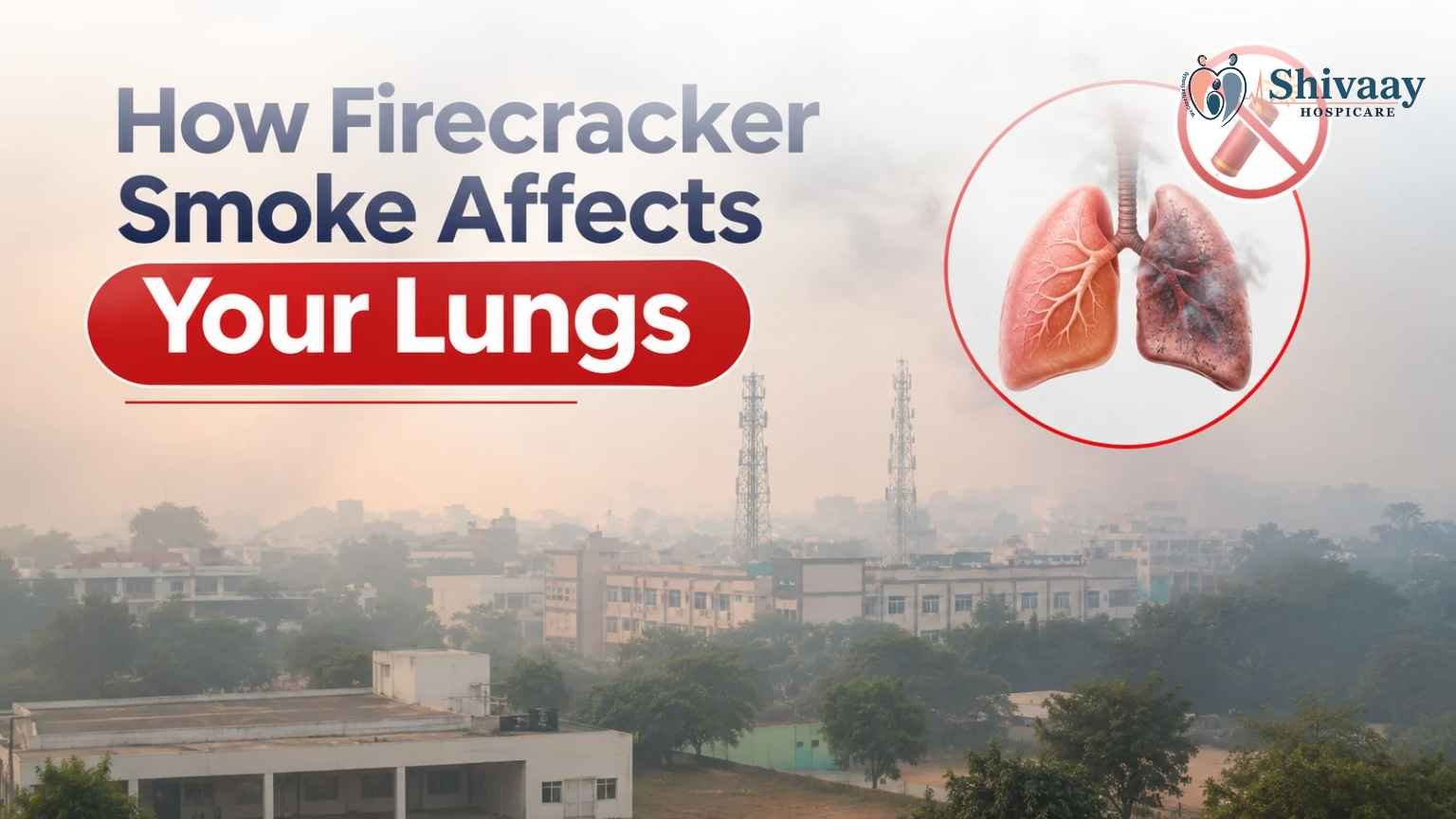
Diwali Air Pollution: How Firecracker Smoke Affects Your Lungs and Breathing
Let the festival of lights brighten your home, not compromise the air you breathe.
Diwali is a time for celebrations, but firecracker smoke can affect the quality of the air around us. Diwali air pollution releases harmful gases and fine particulate matter that can irritate the respiratory system and make breathing difficult. Children, older adults, and people with asthma or existing lung conditions may be particularly vulnerable.
How Does Firecracker Smoke Affect Your Lungs?
Firecrackers release smoke containing fine particles and chemical pollutants. These particles can enter the respiratory tract and irritate the airways, sometimes causing immediate discomfort.
Common effects include:
- Coughing and throat irritation
- Wheezing and shortness of breath
- Chest tightness
- Increased mucus production
- Worsening of asthma symptoms
A general physician in Vadodara can assess respiratory symptoms and recommend suitable care, especially if discomfort continues after exposure to smoke.
Common Breathing Problems During Diwali
Exposure to polluted air can trigger or worsen several respiratory problems. People with asthma, bronchitis, allergies, or other lung conditions may experience increased symptoms during periods of heavy pollution.
A female doctor in Vadodara can help evaluate persistent coughing, wheezing, or breathing discomfort. Do not ignore symptoms simply because they begin during the festive season.
Air Pollution and Lung Health: Who Is Most at Risk?
Understanding air pollution and lung health is important because the effects of polluted air can vary from person to person.
Groups that may be more sensitive include:
- Children: Their developing respiratory systems make them more vulnerable to airborne pollutants.
- Older adults: Age-related health changes may increase sensitivity to poor air quality.
- People with asthma: Smoke can trigger airway inflammation and breathing difficulties.
- People with heart or lung conditions: Pollution may worsen existing symptoms.
A general physician in Vadodara can provide guidance on reducing exposure and managing existing respiratory conditions.
How to Protect Yourself from Diwali Air Pollution
A few precautions can help reduce exposure to firecracker smoke:
- Avoid bursting firecrackers, particularly in crowded or poorly ventilated areas.
- Keep windows and doors closed when outdoor pollution levels are high.
- Avoid outdoor exercise during periods of heavy smoke.
- Use a well-fitted N95 mask when outdoor exposure cannot be avoided.
- Keep prescribed inhalers and medications accessible if you have a respiratory condition.
- Encourage children and older adults to stay indoors when air quality is poor.
A female doctor in Vadodara can also advise people with existing health conditions on additional precautions during the festive period.
When Should You Consult a Doctor?
Occasional throat irritation may improve after moving away from smoke, but certain symptoms require medical attention. Consult a healthcare professional if you experience persistent coughing, wheezing, chest discomfort, or worsening breathlessness.
Seek emergency medical help for severe breathing difficulty, intense chest pain, bluish lips, or confusion.
A general physician in Vadodara can assess your symptoms and determine whether further respiratory evaluation is necessary. A female doctor in Vadodara can also guide you on appropriate treatment and preventive measures.
Celebrate a Healthier Diwali with Shivaay Hospicare
Diwali air pollution is more than a temporary inconvenience. Firecracker smoke can affect breathing, aggravate existing respiratory conditions, and create health concerns for vulnerable individuals. Taking precautions and recognising warning signs can help protect your family. Shivaay Hospicare encourages everyone to celebrate responsibly while prioritising respiratory health and timely medical care.
If you experience breathing difficulties or need medical guidance, visit the Contact Us page of Shivaay Hospicare to schedule a consultation.
FAQs
Why is hydration important for kids during outdoor sports?
Hydration helps maintain body temperature and energy levels and prevents dehydration-related health issues.
How often should children drink water while playing outside?
Children should drink water every 20 to 30 minutes during outdoor activities, especially in hot weather.
Can dehydration cause skin problems in kids?
Yes, excessive sweating and lack of hydration can lead to rashes, heat boils, and infections.
Is dehydration harmful to the kidneys in children?
Repeated dehydration may increase the risk of kidney stones and urinary infections over time.
What are the first signs of dehydration in kids?
Early signs include dark urine, dry lips, tiredness, headache, and less frequent urination.