Why Do You Feel Bloated After Diwali? Understanding Festival-Related Digestive Problems
Celebrate the festivities, not the discomfort. Give your digestive system the care it deserves.
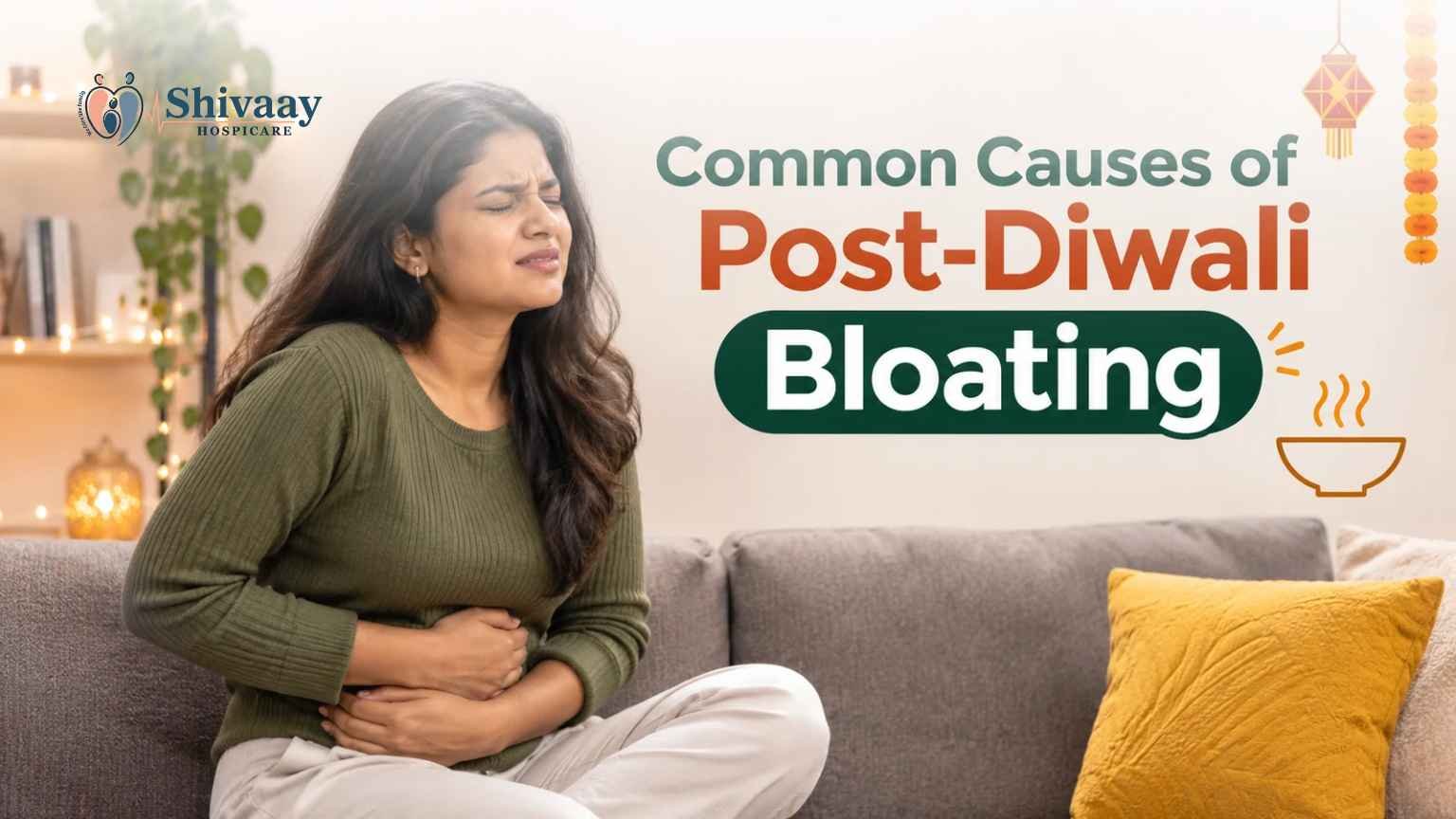
Festive celebrations often come with sweets, fried snacks, rich meals, and irregular eating schedules. While enjoying these treats is part of Diwali, overeating and changes in food habits can leave you wondering why you feel bloated after Diwali. Bloating, gas, acidity, and indigestion are common digestive complaints after periods of heavy festive eating.
Why Does Diwali Food Cause Bloating?
During festivals, people often consume larger portions and eat foods that are rich in sugar, oil, and spices. These changes can slow digestion or increase gas production in some individuals.
Common reasons include:
- Overeating: Large meals can make the stomach feel excessively full.
- Fried foods: High-fat foods may slow stomach emptying and cause discomfort.
- Excess sweets: Large amounts of sugar may contribute to digestive symptoms.
- Carbonated drinks: Fizzy beverages can increase gas and abdominal fullness.
- Irregular meal timings: Eating late or skipping meals can disrupt normal eating patterns.
A lady physician in Vadodara can help assess recurring digestive discomfort and recommend suitable lifestyle changes.
Common Digestive Problems After Diwali
Festival-related changes in eating habits may trigger several digestive complaints.
- Bloating: A feeling of fullness or tightness in the abdomen.
- Acidity: Burning discomfort in the chest or upper stomach.
- Gas: Increased burping or passing wind.
- Indigestion: Discomfort, nausea, or heaviness after eating.
- Constipation: Changes in food intake, hydration, and physical activity may affect bowel movements.
If these symptoms persist, consulting a physician hospital in Vadodara can help identify whether an underlying digestive condition needs attention.
Constant Bloating After Meals: When Should You Be Concerned?
Occasional bloating after a heavy festive meal is usually temporary. However, constant bloating after meals may require medical evaluation, particularly when accompanied by abdominal pain, vomiting, unexplained weight loss, or changes in bowel habits.
A lady physician in Vadodara can review your symptoms, dietary habits, and medical history to determine whether further tests are necessary.
How to Reduce Bloating After Diwali
You can support digestion by returning to balanced eating habits and making a few simple changes.
- Eat smaller portions: Avoid putting excessive pressure on your digestive system with large meals.
- Stay hydrated: Drink enough water throughout the day.
- Choose fibre-rich foods: Include vegetables, fruits, and whole grains.
- Limit fried foods: Reduce oily snacks and heavy meals for a few days.
- Walk after meals: A gentle walk may help support digestion.
- Maintain regular meal timings: Avoid skipping meals or eating very late.
For persistent discomfort, a physician at a hospital in Vadodara can help you understand the possible causes and appropriate treatment options.
When Should You Consult a Doctor?
Do not ignore digestive symptoms that continue despite dietary changes. Seek medical advice if you experience frequent bloating, persistent acidity, severe abdominal pain, repeated vomiting, blood in your stool, or unexplained weight loss.
A lady physician in Vadodara can assess your condition and recommend appropriate care. If symptoms are severe or worsening, seek prompt medical attention through a physician hospital in Vadodara.
Restore Digestive Comfort with Shivaay Hospicare
It is common to feel bloated after Diwali because of overeating, rich foods, and changes in daily routines. Returning to balanced meals, staying hydrated, and maintaining regular activity can help improve digestive comfort. However, persistent symptoms should be evaluated by a healthcare professional. Shivaay Hospicare encourages patients to take digestive health seriously and seek timely medical guidance.
If you are experiencing ongoing bloating or other digestive problems, visit Shivaay Hospicare’s Contact Us page to schedule a consultation.
FAQs
Why is hydration important for kids during outdoor sports?
Hydration helps maintain body temperature and energy levels and prevents dehydration-related health issues.
How often should children drink water while playing outside?
Children should drink water every 20 to 30 minutes during outdoor activities, especially in hot weather.
Can dehydration cause skin problems in kids?
Yes, excessive sweating and lack of hydration can lead to rashes, heat boils, and infections.
Is dehydration harmful to the kidneys in children?
Repeated dehydration may increase the risk of kidney stones and urinary infections over time.
What are the first signs of dehydration in kids?
Early signs include dark urine, dry lips, tiredness, headache, and less frequent urination.